A life in context
The person behind the prize
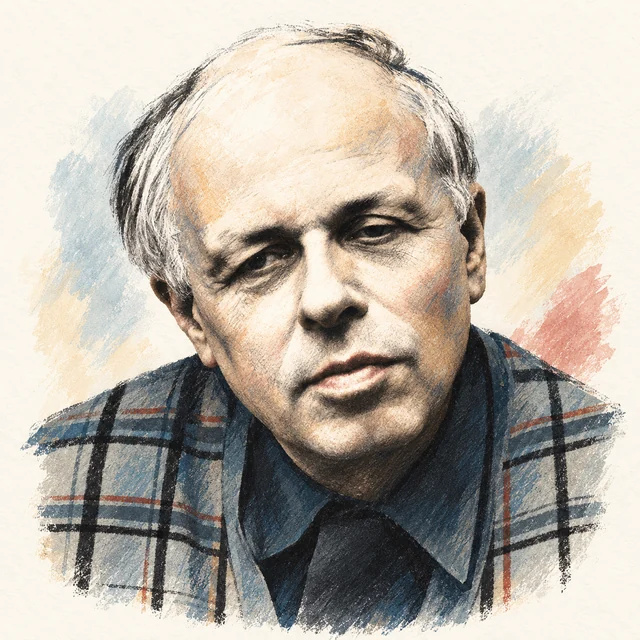
Sakharov grew up in a family where science, literature and mutual support mattered. After graduating in physics in 1942, he worked in a wartime factory, began doctoral study under Igor Tamm in 1945 and defended his thesis in 1947. From 1948 he worked on Soviet nuclear weapons. Concern about radioactive fallout and the arms race increasingly became a moral and public question for him. His 1968 essay linked progress, peaceful coexistence and intellectual freedom; publication abroad ended his privileged secret-work position. In 1970 he helped found a human-rights committee and supported victims of political persecution. Refused permission to travel to Oslo in 1975, he was represented by his wife Elena Bonner. Later exile in Gorky began in 1980; the couple returned to Moscow in 1986. His Peace Prize recognised human-rights and disarmament work, not weapons development.
The contribution
Sakharov received the full Peace Prize for defending human rights in the Soviet Union and promoting disarmament and international cooperation. Bonner accepted the prize on his behalf in Oslo.
The idea in plain language
Work on Soviet nuclear weapons placed Sakharov close to the destructive possibilities of modern science. Concern about fallout and the arms race grew into a public argument about responsibility. His 1968 essay connected progress, peaceful coexistence and intellectual freedom. He argued that durable cooperation required openness and respect for people, rather than trust in military balance alone. The Peace Prize recognised this subsequent advocacy, not the development of nuclear weapons.
Read the full award story ↗

