A life in context
The person behind the prize
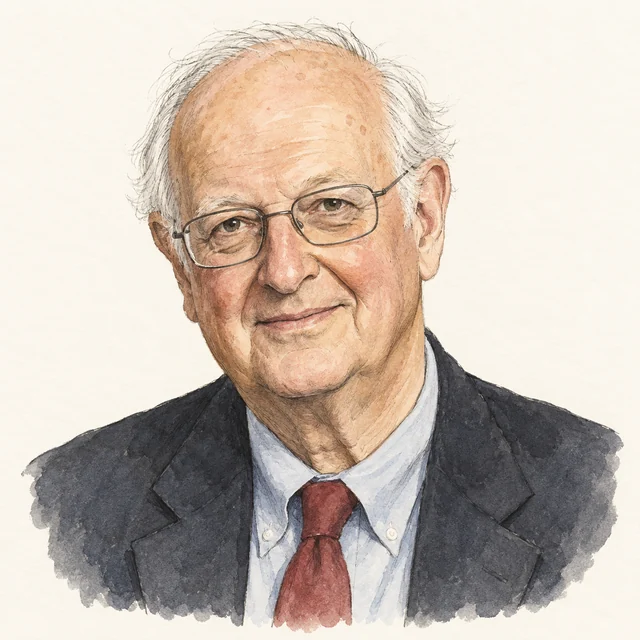
Deaton grew up in Scotland, studied at Cambridge and received his doctorate in 1974. After a professorship at Bristol, he joined Princeton in 1983. His research links economic theory with close attention to data: what households buy, how spending changes with income, and whether comparisons across places really measure the same thing. Looking closely at individual households helped him question conclusions drawn from economy-wide averages.
The contribution
With John Muellbauer he developed a widely used system for studying consumer demand. He also analysed consumption over time and methods for measuring poverty and welfare using household surveys. His work shows why prices, household composition, measurement and differences between people matter when interpreting aggregate statistics.
The idea in plain language
A national average can hide very different lives. To understand living standards, economists need to know what households buy, what those goods cost, and how spending changes when income rises or falls. With John Muellbauer, Deaton developed the Almost Ideal Demand System in 1980. It provides a practical way to estimate how demand for several goods responds to prices and spending, allowing researchers to study the different effects of policies such as consumption taxes.
Read the full award story ↗