A life in context
The person behind the prize
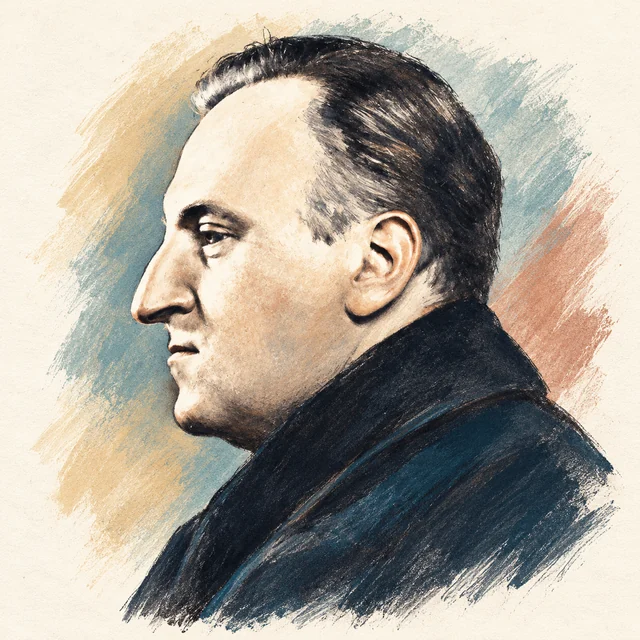
Ossietzky moved from administrative work in Hamburg into journalism and became a committed pacifist after serving in the First World War. He worked for the German Peace Society before returning to newspaper and magazine writing. Joining Die Weltbühne in 1926, he became its chief editor after Siegfried Jacobsohn’s death. In 1929 he published a report by Walter Kreiser exposing secret German rearmament; a 1931 conviction for revealing military secrets led to imprisonment in 1932. Released in the Christmas amnesty, he was arrested again after the Reichstag fire in February 1933 and held in Nazi concentration camps. An international campaign supported his nomination for the Peace Prize. The prize for 1935 was reserved and awarded to him in 1936, while he was seriously ill and under detention. He was denied permission to travel to Norway. He died in a civilian hospital in 1938, still under police surveillance. His recognition did not bring full freedom.
The contribution
Ossietzky received the full Peace Prize for 1935, awarded in 1936, for his work for peace and freedom of thought and expression. His journalism challenged secret rearmament; the award did not make him a state negotiator or imply that he could attend the ceremony.
The idea in plain language
Peace work can involve exposing preparations for war and defending the freedom to scrutinise power. As editor of Die Weltbühne, Ossietzky published reporting on secret German rearmament. A 1929 article by Walter Kreiser became the basis of a prosecution for revealing military secrets. Ossietzky was convicted in 1931 and served part of his sentence in 1932 before an amnesty. This prosecution preceded Nazi rule; the later arrest and concentration-camp detention followed the Nazi seizure of power in 1933.
Read the full award story ↗

