A life in context
The person behind the prize
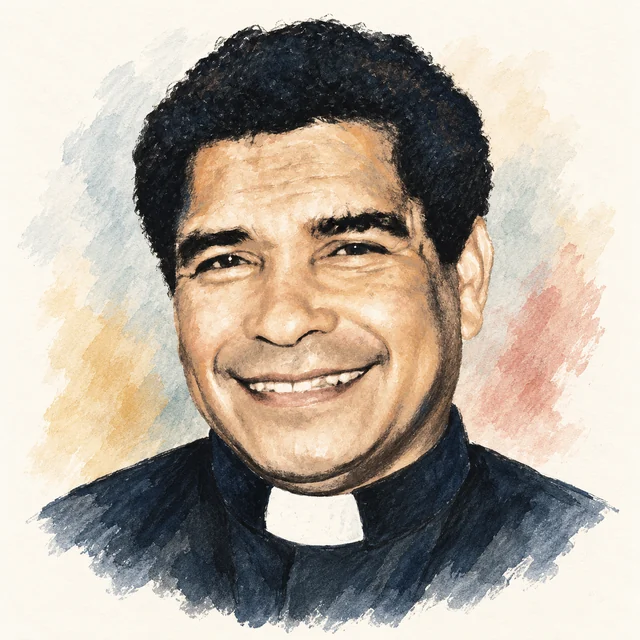
Belo grew up in a farming family in East Timor, was ordained a Catholic priest in 1981 and became head of the local church in 1983. During Indonesian occupation he spoke against abuses, advocated nonviolence and asked the United Nations for a plebiscite in 1989. Later context matters: in September 2022 the Vatican confirmed that allegations of sexual abuse of minors had led to disciplinary restrictions in 2020, strengthened in 2021, including a ban on voluntary contact with minors.
The contribution
The 1996 committee honoured Belo’s award-era efforts to protect East Timorese people and pursue a peaceful settlement grounded in self-determination. As a church leader inside the territory, he spoke for dialogue and against violence. This explains the historical award; it does not erase the later allegations or the Vatican’s confirmed restrictions. The prize was shared equally with the international diplomatic advocate Ramos-Horta.
The idea in plain language
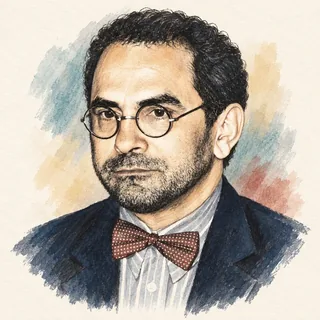
After Indonesia’s 1975 invasion, East Timorese people faced violence and repression. The Nobel Committee highlighted two different roles in the effort to protect civilians and pursue self-determination. Belo, a church leader inside the territory, spoke against abuses and for nonviolence and dialogue. Ramos-Horta brought the East Timorese case to international institutions and developed proposals for a negotiated settlement.
Read the full award story ↗