A life in context
The person behind the prize
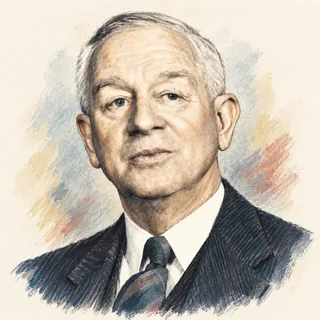
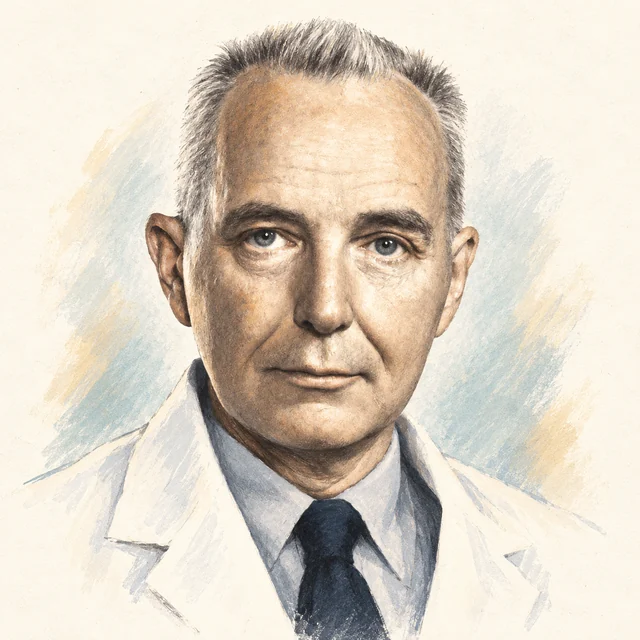
Huggins graduated from Acadia in 1920 and received his Harvard medical degree in 1924. After hospital training and surgical teaching at Michigan, he joined Chicago in 1927, becoming professor of surgery in 1936. Studies of prostate physiology led to investigations of whether prostate cancer retained hormone responsiveness. With Clarence V. Hodges, he published important findings in 1941 concerning androgen reduction, estrogen and biological responses in metastatic prostate cancer. The results showed that changing hormonal stimulation could influence the disease, establishing a new approach to treatment. Huggins directed the Ben May Laboratory from 1951 and became a distinguished service professor in 1962. His 1966 award recognised discoveries concerning hormonal treatment of prostate cancer; wider research on breast cancer was a separate part of his career.
The contribution
Huggins demonstrated hormone responsiveness of prostate cancer and its therapeutic significance. He received one half of the Medicine Prize.
The idea in plain language
Rous’s chicken studies distinguished transplantable tumour cells from an agent separable from them. His 1911 report showed transmission to susceptible chickens using cell-free material, evidence that a small infectious agent could induce this tumour. It opened a field connecting viruses with cancer.
Read the full award story ↗