c.curionodeThe Nobel Archive

1966 · Physiology or Medicine

Discovering influences on tumour growth

Rous identified tumour-inducing viruses. Huggins showed the therapeutic importance of hormone responsiveness in prostate cancer. The prize recognised two separate discoveries.

Tumour virusesHormone responsivenessCancer research
1966Physiology or Medicine

Visual guide

The prize, pictured

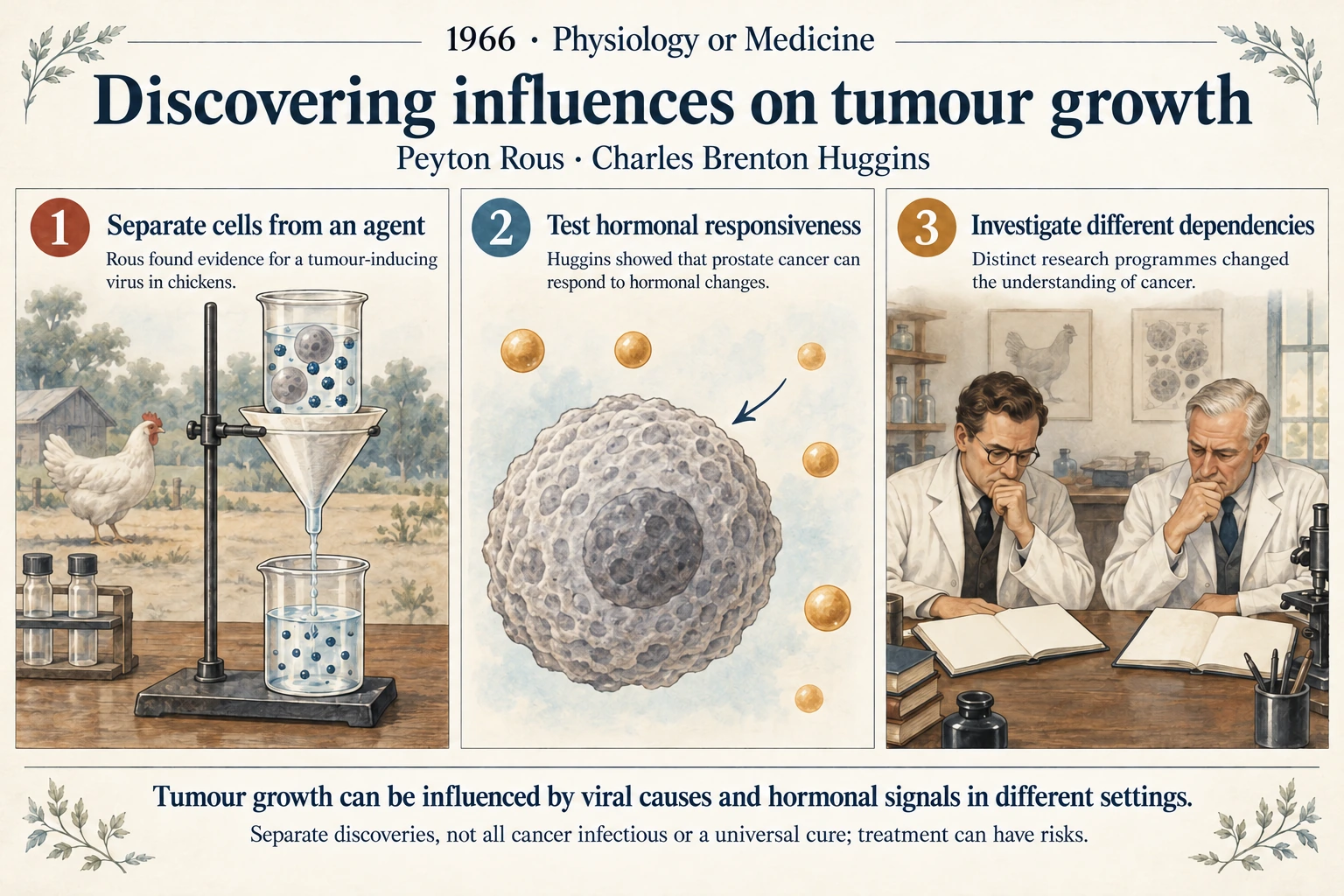
Infographic explaining Discovering influences on tumour growth
Original AI-generated infographic. A conceptual overview; the explanations and sources below provide context.
Read the poster text

Tumour growth can be influenced by viral causes and hormonal signals in different settings.

  1. Separate cells from an agent

    Rous found evidence for a tumour-inducing virus in chickens.

  2. Test hormonal responsiveness

    Huggins showed that prostate cancer can respond to hormonal changes.

  3. Investigate different dependencies

    Distinct research programmes changed the understanding of cancer.

Separate discoveries, not all cancer infectious or a universal cure; treatment can have risks.

01 · The discovery

The idea, in everyday language

Rous’s chicken studies distinguished transplantable tumour cells from an agent separable from them. His 1911 report showed transmission to susceptible chickens using cell-free material, evidence that a small infectious agent could induce this tumour. It opened a field connecting viruses with cancer.

Huggins investigated prostate physiology and whether cancer retained hormone responsiveness. His work with Clarence V. Hodges, published in 1941, showed that changing androgen stimulation could influence metastatic prostate cancer. Hormonal dependence offered a treatment approach, rather than assuming every cancer cell was wholly independent of its environment.

Why it matters

Rous’s discovery helped establish tumour virology. Huggins’s work changed prostate-cancer treatment by demonstrating hormonal responsiveness. Each received one half of the prize. The discoveries arose through separate programmes and collaborators; they were not one combined experiment.
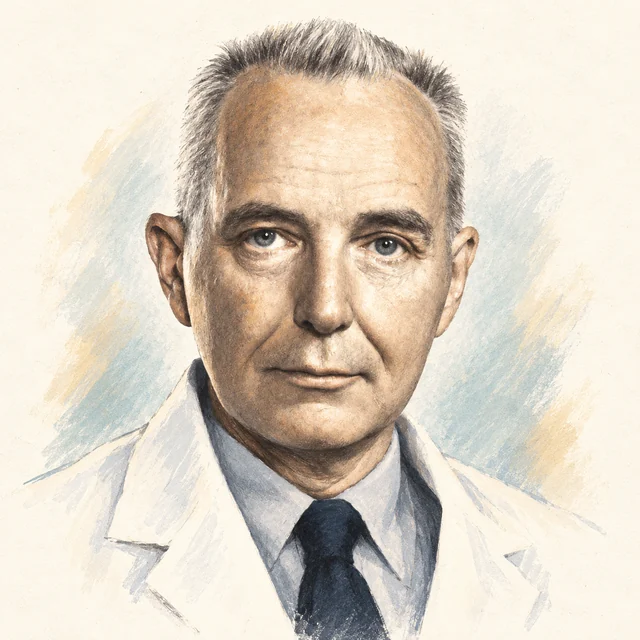
02 · The people

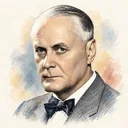
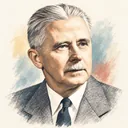
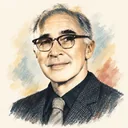
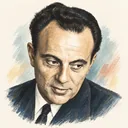
Who brought the idea to life?

03 · Years in the making

The path here

  1. 1905

    Rous receives his medical degree.

  2. 1909

    He begins cancer research at Rockefeller.

  3. 1910

    He reports a transplantable chicken sarcoma.

  4. 1911

    He reports transmission by an agent separable from tumour cells.

  5. 1927

    Huggins joins the University of Chicago.

  6. 1941

    Huggins and Hodges publish their prostate-cancer study.

  7. 1966

    Rous and Huggins share the Medicine Prize.

04 · Read further

From the original sources

Original explanations by Curionode, based on the official records below. Biographical details and affiliations refer to the award year.

  1. Official award summary nobelprize.org
  2. Award ceremony speech nobelprize.org
  3. Rous original abstract (1910) pmc.ncbi.nlm.nih.gov
  4. Rous original publication metadata (1911) rupress.org
  5. Huggins–Hodges original publication metadata (1941) aacrjournals.org
  6. NCI hormone-dependence overview cancer.gov
  7. Official biography: Peyton Rous nobelprize.org
  8. Official biography: Charles Brenton Huggins nobelprize.org

More in Physiology or Medicine

Browse this subject ↗