A life in context
The person behind the prize
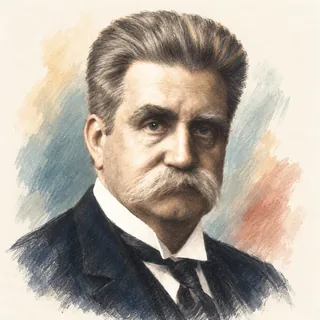
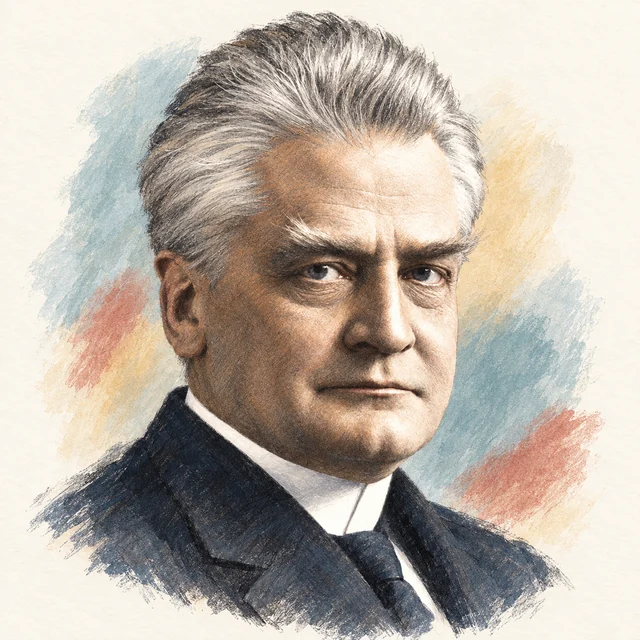
Lange trained as a teacher and developed interests in history and languages. His organisational work for the 1899 meeting of the Inter-Parliamentary Union helped turn those abilities towards international cooperation. From 1900 to 1909 he was secretary to the Norwegian Nobel Committee and helped establish its institute. In 1909 he became secretary-general of the Inter-Parliamentary Union, a network connecting parliamentarians across borders. During the First World War, when its international work was badly disrupted, he kept its bureau functioning from his home in Oslo. He completed a doctorate on the history of internationalism in 1919 and supported the new League of Nations as an adviser and Norwegian representative. The 1921 Peace Prize recognised his sustained practical and intellectual work for organised internationalism, alongside Hjalmar Branting. Each received one half. Lange attended the presentation; Norway was his official residence in the award record. His later work included continued League activity and warnings about aggression. He remained the Union’s secretary-general until 1933 and became a member of the Norwegian Nobel Committee in 1934, a different role from his earlier work as its secretary and one that began after this prize. He died in Oslo in 1938.
The contribution
Lange received half the Peace Prize for lifelong contributions to peace and organised internationalism. He sustained the Inter-Parliamentary Union’s cross-border work, including during the First World War, and combined historical scholarship with support for the League of Nations.
The idea in plain language
International disputes need more than goodwill if governments are to keep talking when interests conflict. Branting supported negotiation and arbitration through national politics and the League of Nations. His opposition to using force against Norway in 1905 illustrated a commitment to resolving a specific conflict peacefully.
Read the full award story ↗