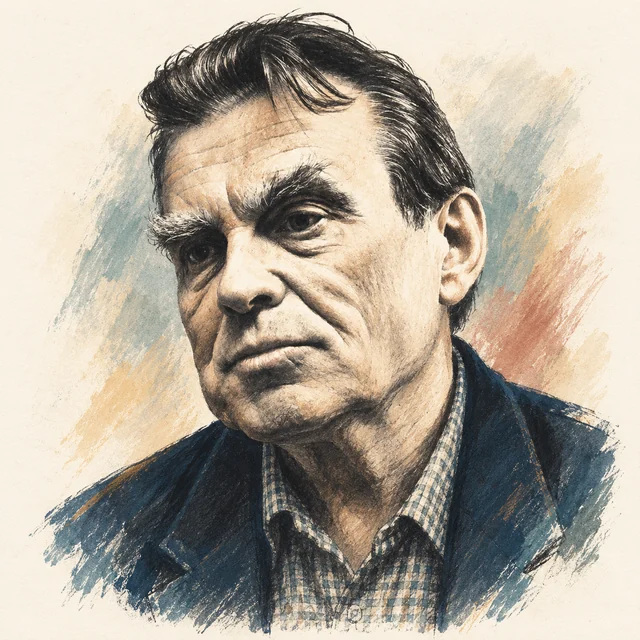
A life in context
The person behind the prize
Miłosz was born in a Lithuanian landscape and educated in Wilno, then part of Poland. He helped form the Żagary literary group and published his first poetry collection, Poemat o czasie zastygłym, in 1933, followed by Three Winters in 1936. During the German occupation he worked with underground publishing in Warsaw. After wartime and postwar upheavals, he served in Poland’s diplomatic service, broke with the government in 1951 and settled in France. The Captive Mind, published in 1953, examined intellectual accommodation to totalitarian power through essays and portraits. He moved to Berkeley in 1960 and became professor in 1961. Poetry, translation, criticism and recollections of place remained intertwined across exile.
The contribution
Miłosz received the full Literature Prize for a body of writing that joined vivid experience, historical witness and resistance to intellectual captivity. The recognition extended beyond The Captive Mind and beyond a single political argument; his principal literary language was Polish.
The idea in plain language
The challenge in Miłosz’s writing was how to witness historical catastrophe without surrendering the richness of ordinary life. Poems joined sensory details, remembered places, different voices and moral questioning. His Polish-language work grew from a borderland culture and from the upheavals of Warsaw, postwar diplomacy and exile.
Read the full award story ↗

