c.curionodeThe Nobel Archive

1980 · Literature

Keep experience larger than ideology

Miłosz wrote from the landscapes of childhood, the destruction of war and the distance of exile. Poetry and prose kept individual experience in view when political systems tried to speak for everyone.

Poetry and memoryExileIntellectual independence
1980Literature

Visual guide

The prize, pictured

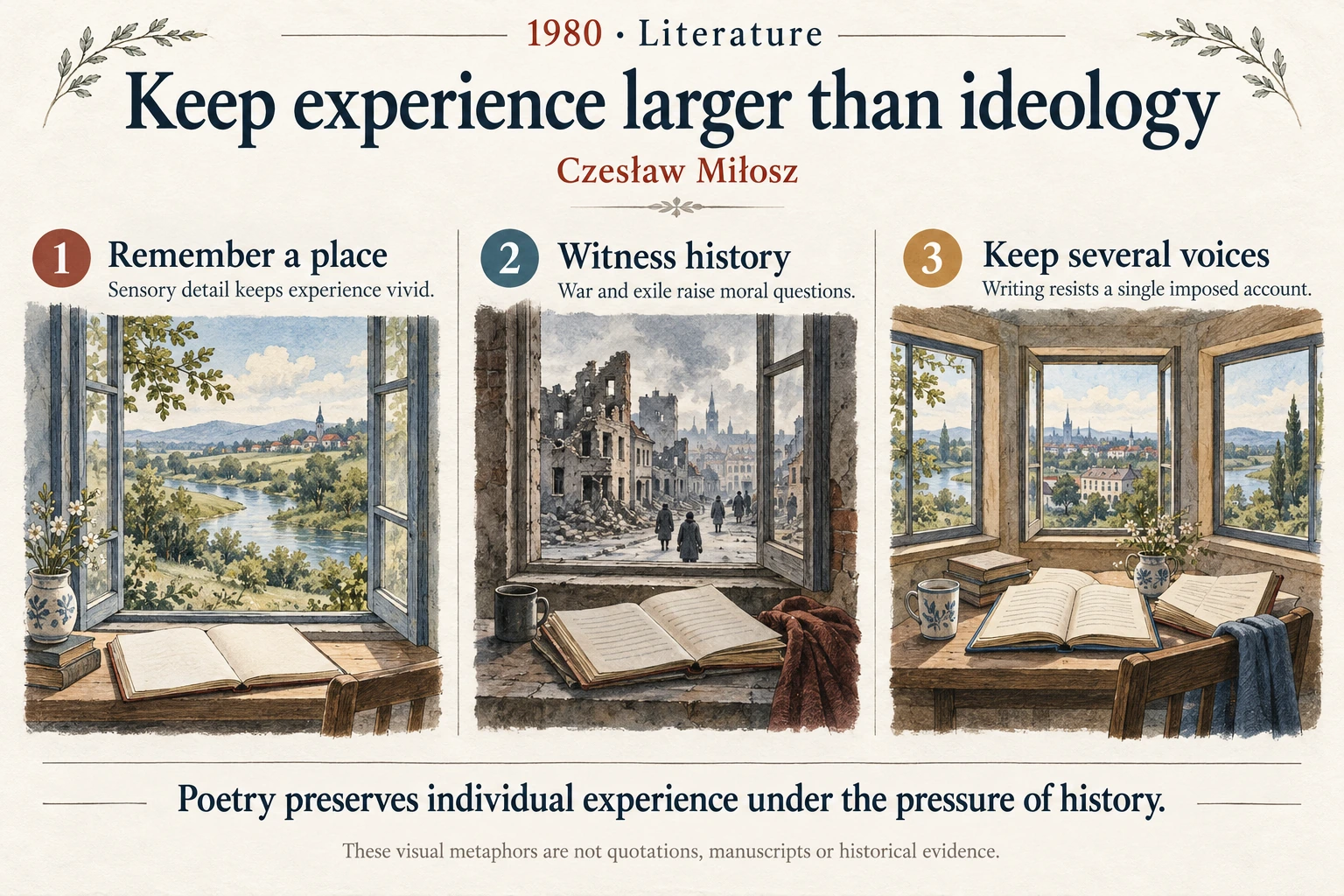
Infographic explaining Keep experience larger than ideology
Original AI-generated infographic. A conceptual overview; the explanations and sources below provide context.
Read the poster text

Poetry preserves individual experience under the pressure of history.

  1. Remember a place

    Sensory detail keeps experience vivid.

  2. Witness history

    War and exile raise moral questions.

  3. Keep several voices

    Writing resists a single imposed account.

These visual metaphors are not quotations, manuscripts or historical evidence.

01 · The contribution

The idea, in everyday language

The challenge in Miłosz’s writing was how to witness historical catastrophe without surrendering the richness of ordinary life. Poems joined sensory details, remembered places, different voices and moral questioning. His Polish-language work grew from a borderland culture and from the upheavals of Warsaw, postwar diplomacy and exile.

The Captive Mind examined how intellectuals could accommodate themselves to totalitarian power, while poetry refused to reduce the world to a single explanation. These are related concerns expressed through different literary forms. His work also included translation and criticism; the 1980 recognition concerned a body of writing rather than a single book or a slogan.

Why it matters

His writing gave readers ways to consider responsibility, displacement and intellectual independence without erasing the particulars of a life. Exile and translation carried Polish literature into wider conversation, including through his work at Berkeley. The Nobel award recognised literary achievement, not proof that a single interpretation of history is complete.
02 · The people

Who brought the idea to life?

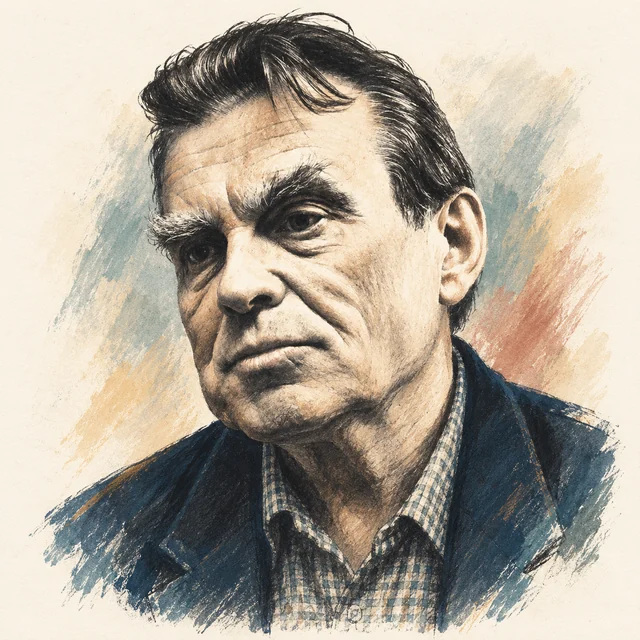
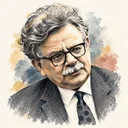
Illustrated portrait of Czesław Miłosz

Czesław Miłosz

Prize share · 1/1

Miłosz received the full Literature Prize for a body of writing that joined vivid experience, historical witness and resistance to intellectual captivity. The recognition extended beyond The Captive Mind and beyond a single political argument; his principal literary language was Polish.

Read the biography ↗

03 · Years in the making

The path here

  1. 1933

    Miłosz publishes his first poetry collection in Wilno.

  2. 1936

    Three Winters is published.

  3. 1951

    He breaks with the Polish government and settles in France.

  4. 1953

    The Captive Mind is published.

  5. 1960–1961

    He moves to Berkeley, then becomes professor.

  6. 1980

    A body of Polish-language poetry and prose receives the Literature Prize.

04 · Read further

From the original sources

Original explanations by Curionode, based on the official records below. Biographical details and affiliations refer to the award year.

  1. Official announcement nobelprize.org
  2. Official bibliography nobelprize.org
  3. Publisher: The Captive Mind penguinrandomhouse.com

More in Literature

Browse this subject ↗