A life in context
The person behind the prize
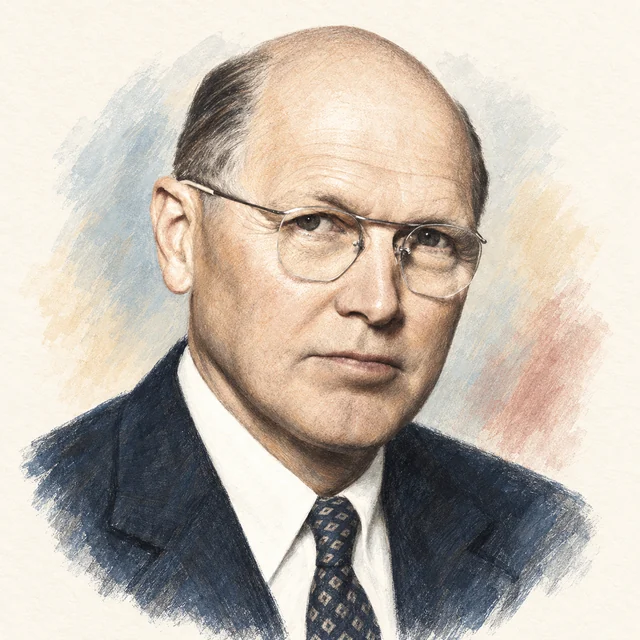
Richards studied English and Greek at Yale, receiving his arts bachelor’s degree in 1917 during wartime military service. After the war he trained at Columbia, earning a physiology master’s degree in 1922 and a medical doctorate in 1923. Presbyterian Hospital work and a research year in London with Henry Dale preceded investigations of pulmonary and circulatory physiology. In 1931 he began the long collaboration with Cournand at Bellevue. Their group developed the clinical use of cardiac catheterization, with reports from 1941 and studies of shock, heart failure, congenital heart disease and chronic cardiopulmonary disorders. Measuring oxygen content and pressure helped relate blood flow to physiological changes. He became professor of medicine at Columbia in 1945 and Lambert Professor in 1947. He received one third of the 1956 prize and retired from that chair in 1961. Diagnostic measurement and treatment are related but distinct, and the historical contribution should not be expanded into a claim of universal cure.
The contribution
Richards and Cournand connected cardiac catheterization with systematic clinical studies of circulatory disease and function. Richards received one third of the Medicine Prize.
The idea in plain language
Pressure and blood flow inside the circulation were difficult to study directly in people. Measurements available outside the heart could not answer every question about the right heart, pulmonary circulation or the oxygen content of blood returning from the body.
Read the full award story ↗