A life in context
The person behind the prize
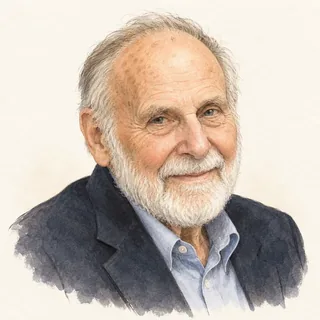
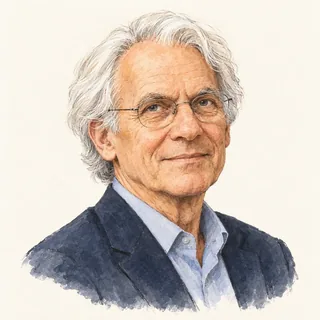
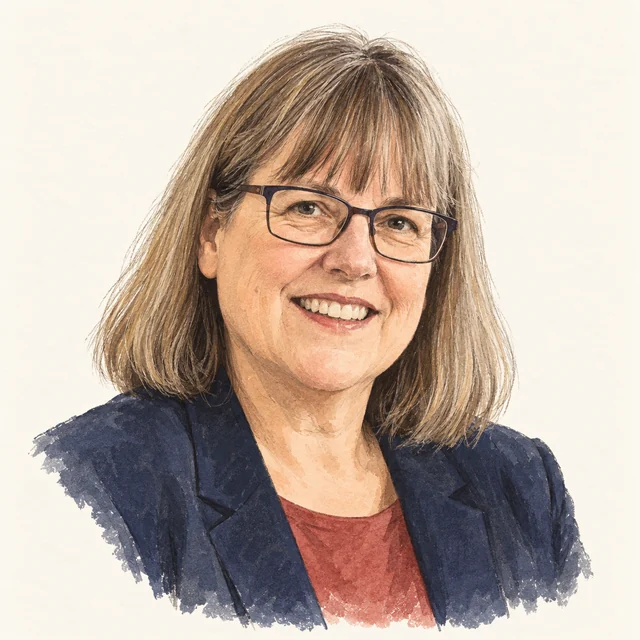
Strickland studied at McMaster University before moving to Rochester for doctoral research with Gérard Mourou. The work that led to her Nobel Prize appeared in 1985, before she completed her doctorate in 1989. She later worked at Princeton and joined the University of Waterloo in 1997. Her career shows how solving a difficult laboratory problem can create an instrument used far beyond its original experiment.
The contribution
She and Mourou demonstrated a stretch–amplify–compress sequence that made powerful ultrashort laser pulses practical. The amplifier adds energy while the pulse is spread out in time, avoiding the destructive peak power that direct amplification would create.
The idea in plain language
Light carries momentum, so it can exert a force when its direction changes. Arthur Ashkin found that a tightly focused laser could hold a tiny transparent object near its focus. The object is pulled towards the region of stronger light while other light forces push along the beam; a suitable arrangement creates a stable trap. These optical tweezers let researchers manipulate small objects and measure very small forces. Biological use requires appropriate wavelengths and powers: a laser that traps an object can also damage it.
Read the full award story ↗