c.curionodeThe Nobel Archive

2018 · Physics

Light that holds, light that acts in a flash

Two laser inventions made light a precise tool for handling tiny objects and producing exceptionally short, intense pulses.

Optical tweezersUltrafast pulsesLight as a tool
2018Physics

Visual guide

The prize, pictured

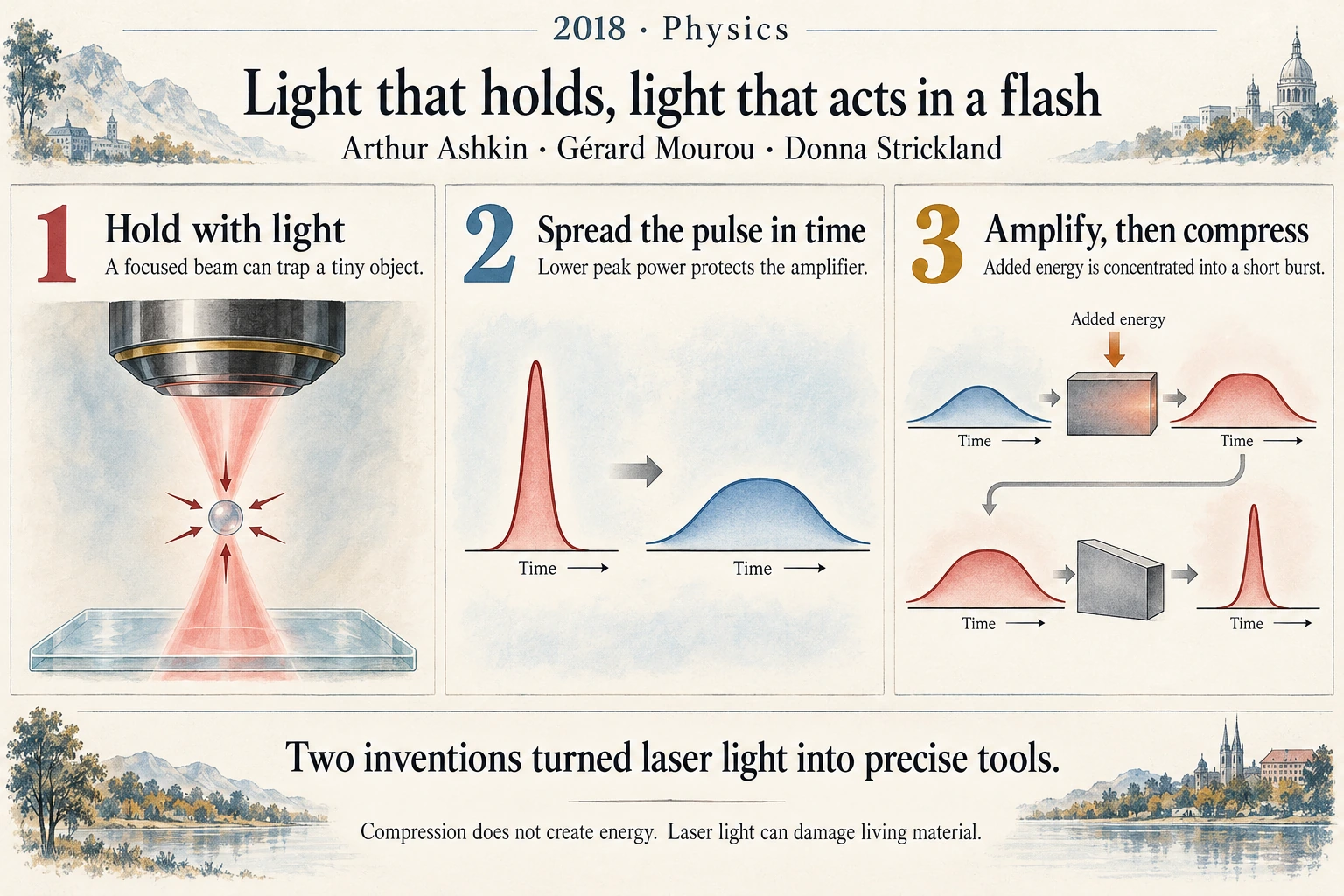
Infographic explaining Light that holds, light that acts in a flash
Original AI-generated infographic. A conceptual overview; the explanations and sources below provide context.
Read the poster text

Two inventions turned laser light into precise tools.

  1. Hold with light

    A focused beam can trap a tiny object.

  2. Spread the pulse in time

    Lower peak power protects the amplifier.

  3. Amplify, then compress

    Added energy is concentrated into a short burst.

Compression does not create energy. Laser light can damage living material.

01 · The discovery

The idea, in everyday language

Light carries momentum, so it can exert a force when its direction changes. Arthur Ashkin found that a tightly focused laser could hold a tiny transparent object near its focus. The object is pulled towards the region of stronger light while other light forces push along the beam; a suitable arrangement creates a stable trap. These optical tweezers let researchers manipulate small objects and measure very small forces. Biological use requires appropriate wavelengths and powers: a laser that traps an object can also damage it.

A different problem faced Gérard Mourou and Donna Strickland. Amplifying an already short pulse could produce such high peak power that it destroyed the amplifier. Their solution was to stretch the pulse in time, add energy while its peak power was lower, then compress it again. Called chirped pulse amplification, or CPA, the method produces a short, intense burst. The amplifier supplies the extra energy; compression concentrates that energy into a shorter time rather than creating energy from nothing.

Why it matters

Optical traps made the motions and forces of biological machinery accessible to experiment, often through a small attached bead. CPA opened a route to powerful ultrafast lasers used to study rapid events and process materials precisely. Both contributions turn light into an instrument, but they are distinct inventions with different purposes.
02 · The people

Who brought the idea to life?

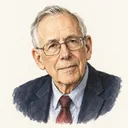
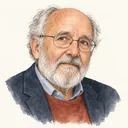
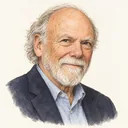
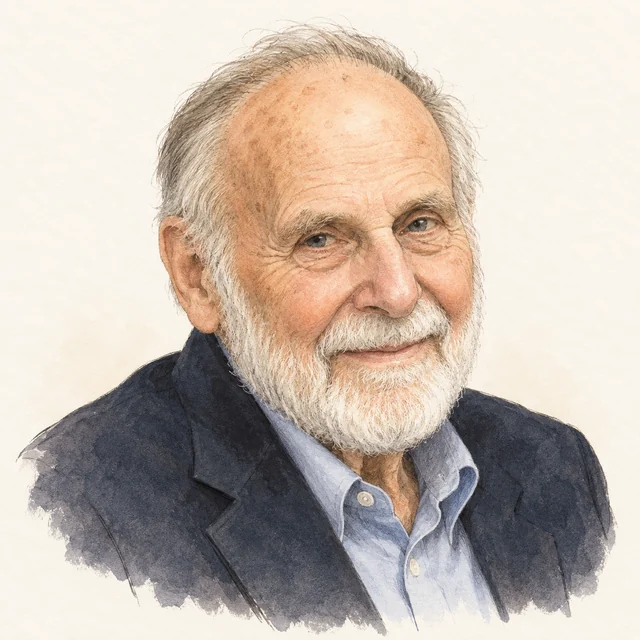
Illustrated portrait of Arthur Ashkin

Arthur Ashkin

Prize share · 1/2

He developed optical tweezers, which use the forces from a tightly focused laser beam to trap small objects. In 1987 he demonstrated trapping of living bacteria without harming them under suitable illumination, opening a route to biological measurements.

Read the biography ↗
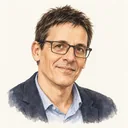
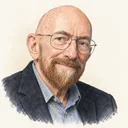
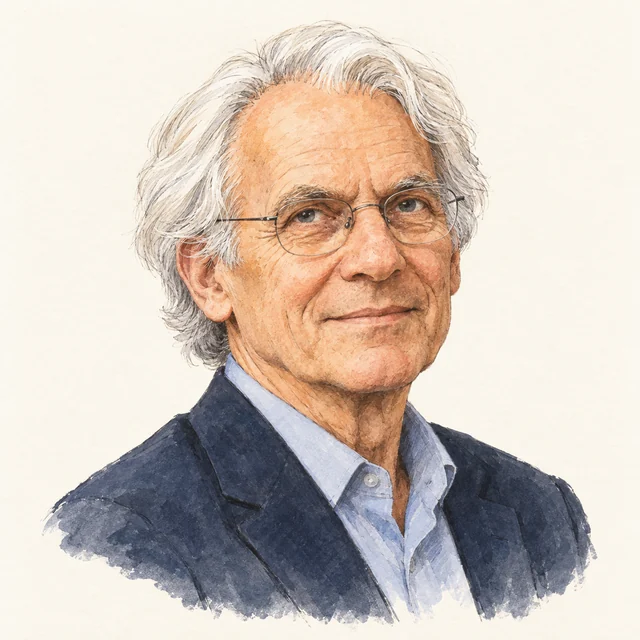
Illustrated portrait of Gérard Mourou

Gérard Mourou

Prize share · 1/4

With Strickland, he developed chirped pulse amplification in 1985. Stretching a pulse in time reduces its peak power during amplification; compressing it afterwards produces a much more intense, very short pulse. This became a foundation for high-intensity laser systems.

Read the biography ↗
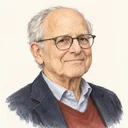
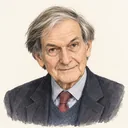
Illustrated portrait of Donna Strickland

Donna Strickland

Prize share · 1/4

She and Mourou demonstrated a stretch–amplify–compress sequence that made powerful ultrashort laser pulses practical. The amplifier adds energy while the pulse is spread out in time, avoiding the destructive peak power that direct amplification would create.

Read the biography ↗

03 · Years in the making

The path here

  1. 1985

    Strickland and Mourou publish the stretch–amplify–compress method.

  2. 1987

    Ashkin demonstrates trapping living bacteria with suitable laser light.

  3. 2018

    The prize recognises optical tweezers and chirped pulse amplification.

04 · Read further

From the original sources

Original explanations by Curionode, based on the official records below. Biographical details and affiliations refer to the award year.

  1. Official award announcement nobelprize.org
  2. Nobel Committee’s accessible background nobelprize.org