01 · The discovery
The idea, in everyday language
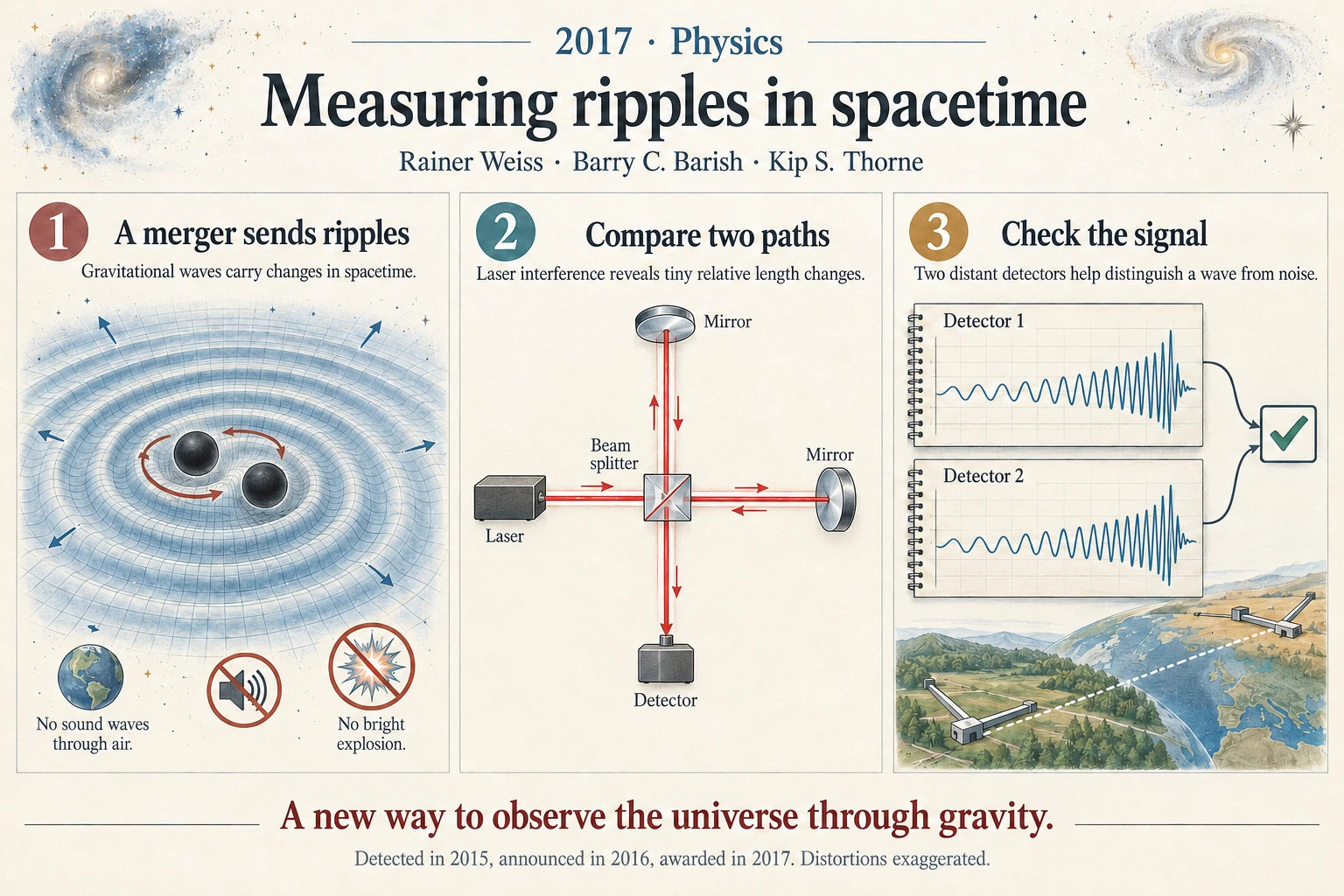
General relativity predicts that changing distributions of mass can send gravitational waves through spacetime. As a wave passes, it changes the relative distances between freely moving objects by an extremely small amount. LIGO uses two long perpendicular arms and laser light to measure this effect. Light travels along both arms and is brought back together. A tiny difference in the paths changes the interference signal, turning a distortion of spacetime into something an instrument can record.
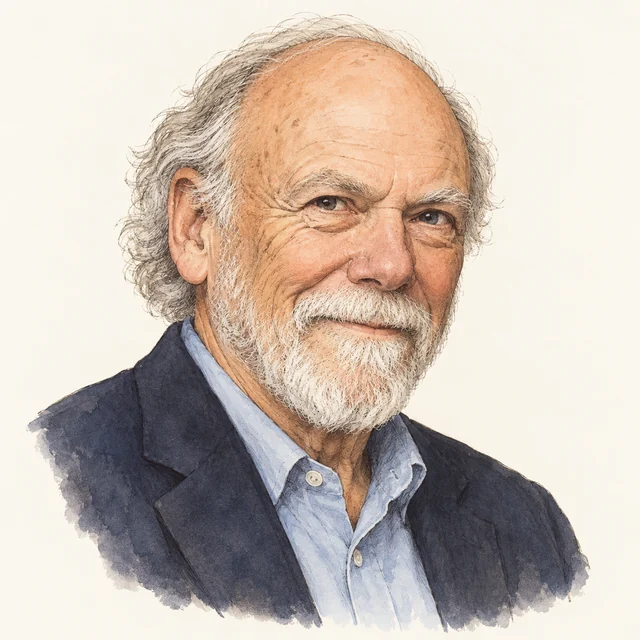
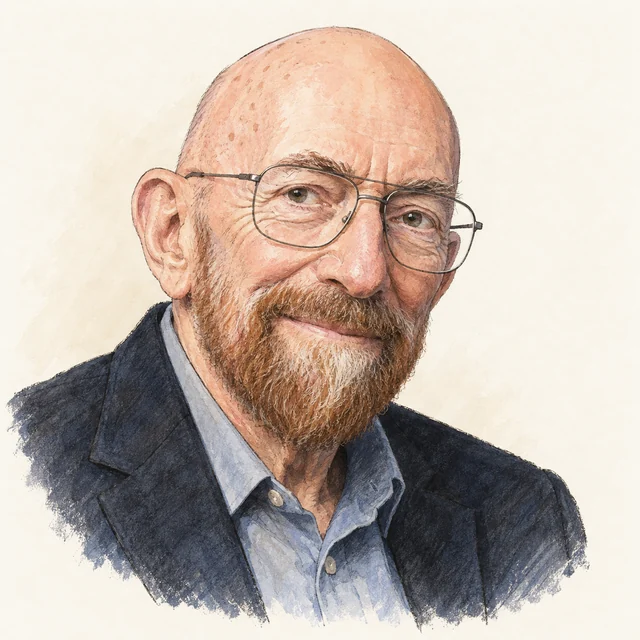
The difficulty was separating that effect from everything else that moves or disturbs a detector. Rainer Weiss developed detector ideas and detailed noise analysis; Kip Thorne contributed theory about sources and signals; Barry Barish helped build the project and organise the collaboration. On 14 September 2015, detectors in Louisiana and Washington recorded a matching signal a few milliseconds apart. After extensive checks, the team announced it in February 2016: the waveform was consistent with two black holes spiralling together and merging.
Why it matters
The observation opened a way to investigate cosmic events through gravity rather than only through light or particles. The changing waveform carries information about the source, including how a pair of compact objects moves and merges. It also provides tests of general relativity under conditions far beyond those available in an ordinary laboratory.