A life in context
The person behind the prize
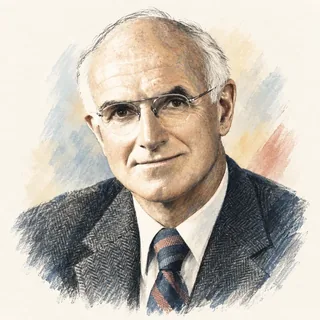
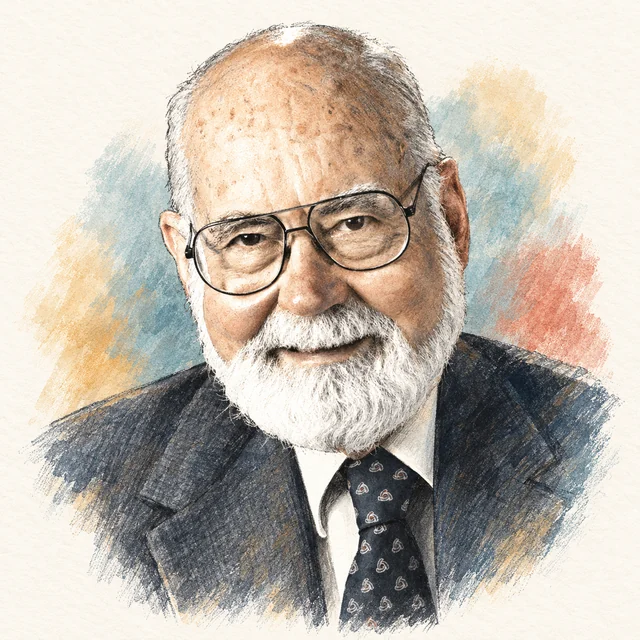
Thomas grew up in rural Texas, where his father was a physician. He studied chemistry at the University of Texas and earned a Harvard medical degree in 1946. His wife Dottie became an important research collaborator. In Cooperstown from 1955 he worked with Joseph Ferrebee on marrow transplantation; he moved to Seattle in 1963. A large team, later based at Fred Hutchinson, developed matching, supportive care and methods for treating otherwise lethal blood diseases.
The contribution
Thomas developed bone-marrow transplantation using intravenous infusion of cells capable of rebuilding blood formation. Early human studies reported in 1957 had limited success; progress depended on tissue matching, conditioning, infection control and management of graft-versus-host disease. His team’s matched-sibling transplant for advanced leukemia in 1969 helped establish a more effective approach. Marrow is not the spinal cord, and its cells are not sewn into a bone. Thomas received half the prize.
The idea in plain language
Replacing a failing organ or a diseased blood-forming system requires more than transferring material. The recipient’s immune system can recognise a graft as foreign and reject it. Murray’s team established kidney transplantation between identical twins in 1954, bypassing this major immune incompatibility. Subsequent work with colleagues developed methods for transplanting kidneys between genetically different people, including drug-supported control of rejection.
Read the full award story ↗