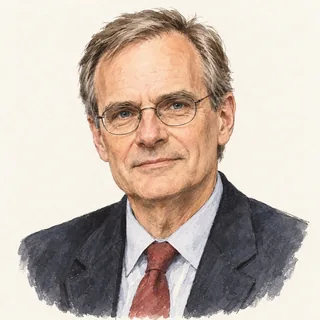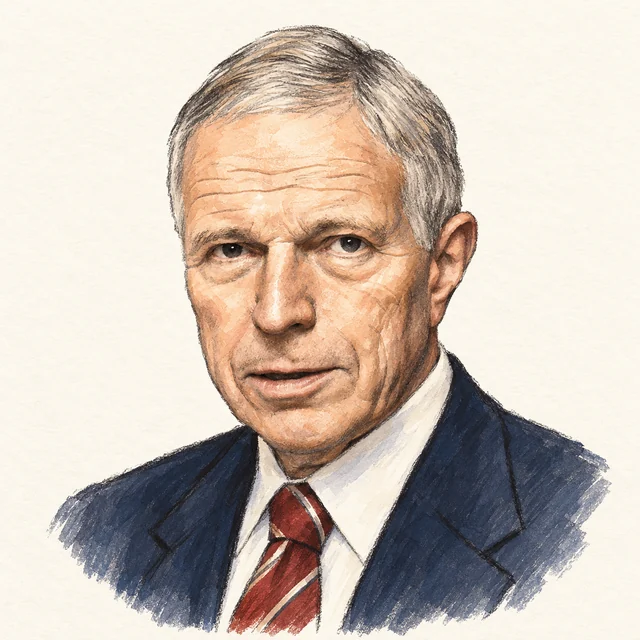
A life in context
The person behind the prize
Phelps grew up in New York State, where music and an intellectually lively environment helped shape his interests. He received his doctorate at Yale in 1959 and taught and researched at several American institutions. At the time of the prize he was at Columbia University. His work connected individual decisions about wages, work and saving to the behaviour of an entire economy over time.
The contribution
Phelps showed why inflation expectations change the relationship between inflation and unemployment: a temporary employment gain does not imply a permanent bargain available to policymakers. He built models connecting this insight to wage-setting and labour-market behaviour. His work on saving and capital formation also examined how present consumption affects the possibilities available to future generations.
The idea in plain language
A simple reading of the Phillips curve suggested a stable choice: accept more inflation and obtain less unemployment. Phelps showed why expectations upset that bargain. Workers and firms make wage and price decisions partly on what they expect prices to do. When expectations adjust, an apparent short-run gain need not persist. A permanently higher inflation rate does not reliably buy permanently lower unemployment.
Read the full award story ↗