A life in context
The person behind the prize
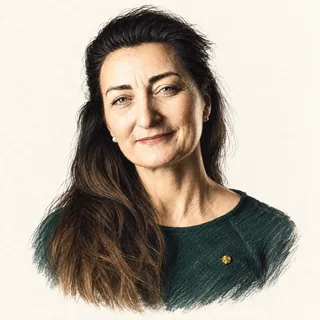
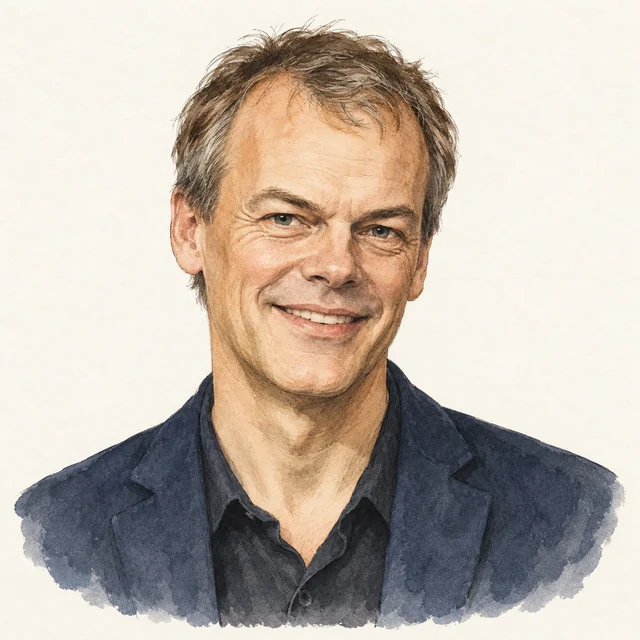
Edvard Moser studied at the University of Oslo and received his doctorate in neurophysiology in 1995. He and May-Britt Moser trained in Edinburgh and London before establishing their research in Trondheim. Their laboratory investigated navigation by connecting what a moving animal did with the activity of particular cells and circuits. This approach allowed them to look beyond one brain area and ask how several kinds of spatial information work together.
The contribution
He shared in the discovery of entorhinal grid cells in 2005 and in subsequent research on the relationship between these cells and other navigation signals. Repeating spatial firing patterns, together with information about position, direction and boundaries, helped reveal a distributed neural system rather than a single brain cell acting as a complete map.
The idea in plain language
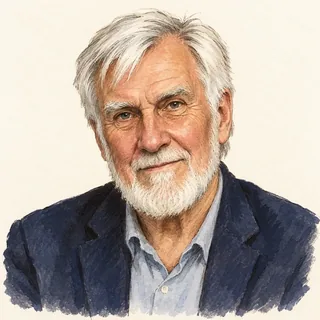
Finding a familiar doorway requires more than recognising an image. An animal must relate where it is to places it has visited and to its own movement. O’Keefe recorded neurons in the hippocampus of freely moving rats. In 1971, he and Jonathan Dostrovsky reported cells whose activity depended on the animal’s location. One place cell could be especially active in one part of an environment, while others responded in different regions.
Read the full award story ↗