A life in context
The person behind the prize
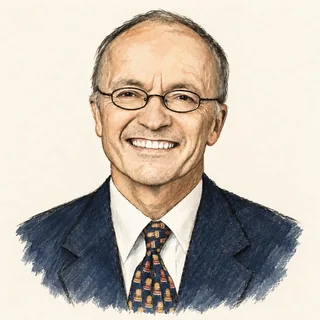
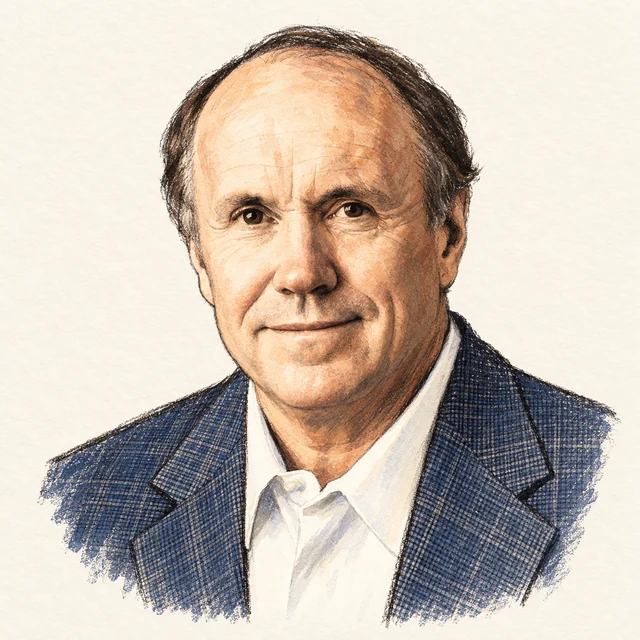
Prescott first studied mathematics and received his economics doctorate at Carnegie Mellon University in 1967. His research placed emphasis on explicit models of households and firms making decisions over time. At the time of the prize he worked at Arizona State University and the Federal Reserve Bank of Minneapolis, connecting academic macroeconomics with questions faced by policy institutions.
The contribution
With Kydland, Prescott analysed how private expectations and changing policy incentives can undermine an announced plan even when policymakers seek a desirable outcome. Their business-cycle research also demonstrated how a model built from intertemporal choices could generate fluctuations resembling important features of economic data. This was a framework for asking quantitative questions, not proof that productivity shocks explain every recession or that one policy rule always works best.
The idea in plain language
A government may announce a policy that looks desirable before households and firms make their decisions. Once people have acted, the government may face an incentive to change course. If people anticipate that temptation, the original announcement may lose credibility. Kydland and Prescott’s 1977 analysis showed how this time-consistency problem can arise even when policymakers seek a good outcome rather than deliberately deceive anyone.
Read the full award story ↗