A life in context
The person behind the prize
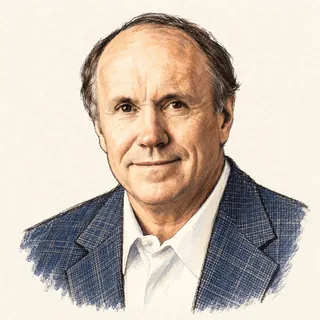
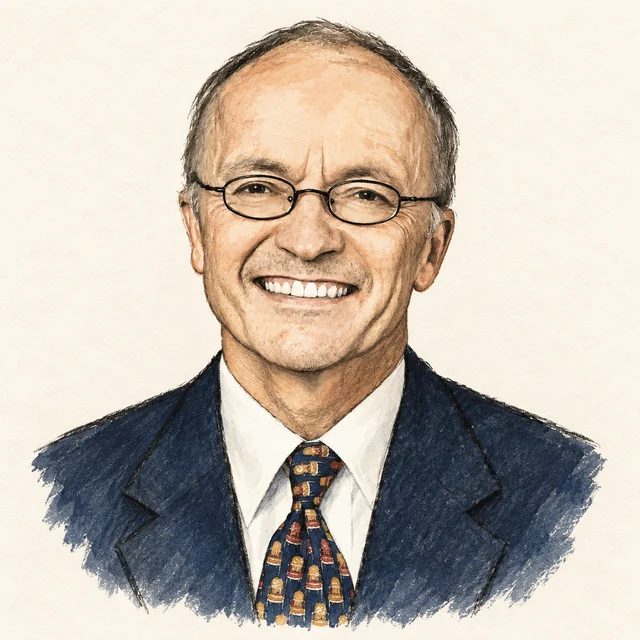
Kydland grew up near Stavanger and studied at the Norwegian School of Economics before moving to Carnegie Mellon University, where he received his doctorate in 1973. His collaboration with Edward Prescott connected individual decisions about work, saving and investment with changes in the economy as a whole. At the time of the prize he was affiliated with Carnegie Mellon and the University of California, Santa Barbara.
The contribution
Kydland and Prescott showed in 1977 why a policy that looks best before people act may no longer be chosen after their decisions are made. Their 1982 business-cycle model then examined how changes in productivity can spread through forward-looking decisions. The two contributions changed both the analysis of credible policy and the construction of quantitative macroeconomic models.
The idea in plain language
A government may announce a policy that looks desirable before households and firms make their decisions. Once people have acted, the government may face an incentive to change course. If people anticipate that temptation, the original announcement may lose credibility. Kydland and Prescott’s 1977 analysis showed how this time-consistency problem can arise even when policymakers seek a good outcome rather than deliberately deceive anyone.
Read the full award story ↗