A life in context
The person behind the prize
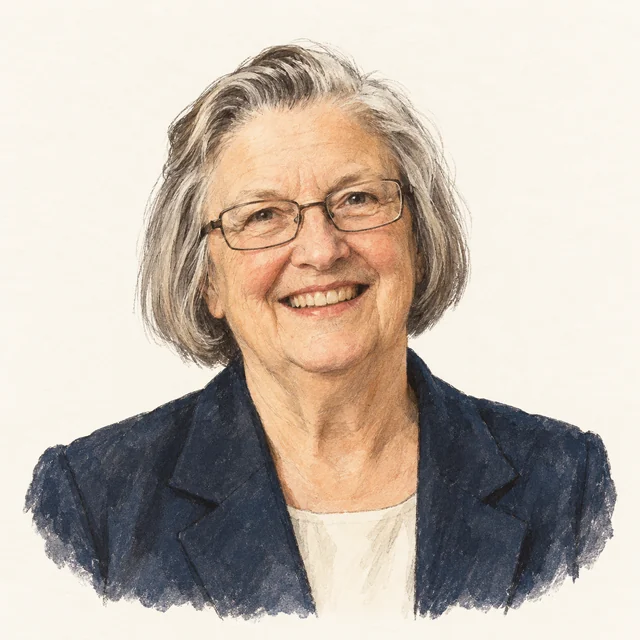
Ostrom grew up in Los Angeles and studied political science at UCLA, completing her doctorate in 1965. Her research career at Indiana University examined how people organise collective decisions, and she also worked at Arizona State University. Beginning with groundwater management and extending to many other resources, she combined close study of institutions with comparisons across communities rather than assuming a single arrangement must always work best.
The contribution
Ostrom showed that users can sometimes govern shared resources successfully through rules they help create and enforce. Her research investigated boundaries, monitoring, sanctions and ways of resolving disputes. It challenged the idea that shared resources must inevitably be destroyed, without claiming that cooperation happens automatically or that local management is always superior to public regulation or private ownership.
The idea in plain language
A shared fishery or irrigation system creates a problem: each person’s use can reduce what remains for others. Ostrom compared real communities and showed that users can sometimes create workable rules, monitor use and handle violations themselves. Common ownership does not have to mean unrestricted access. Understanding who can participate, how decisions are made and how disputes are settled helps explain both success and failure.
Read the full award story ↗