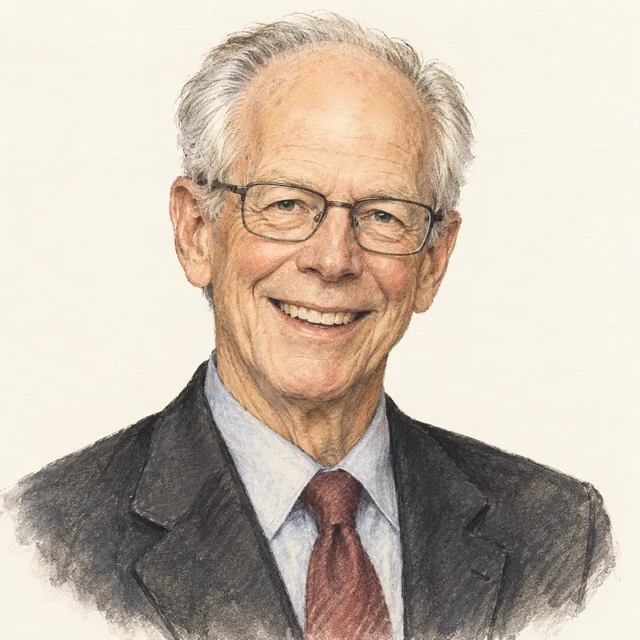
A life in context
The person behind the prize
Williamson studied at MIT and Stanford before earning his economics doctorate at Carnegie Mellon in 1963. He held academic positions at Pennsylvania, Yale and Berkeley. His research asked why some activities are coordinated through contracts between separate businesses while others are brought inside a single firm. The answer required examining how organisations handle uncertainty, dependence and conflict.
The contribution
Williamson developed transaction-cost economics into an explanation of organisational boundaries. When an investment is especially valuable within one relationship, changing partners may be costly and bargaining can become difficult. Bringing activities under one authority can sometimes reduce those problems, but internal authority has costs and can be abused. His analysis compares imperfect alternatives rather than declaring that larger firms are always better.
The idea in plain language
A shared fishery or irrigation system creates a problem: each person’s use can reduce what remains for others. Ostrom compared real communities and showed that users can sometimes create workable rules, monitor use and handle violations themselves. Common ownership does not have to mean unrestricted access. Understanding who can participate, how decisions are made and how disputes are settled helps explain both success and failure.
Read the full award story ↗