A life in context
The person behind the prize
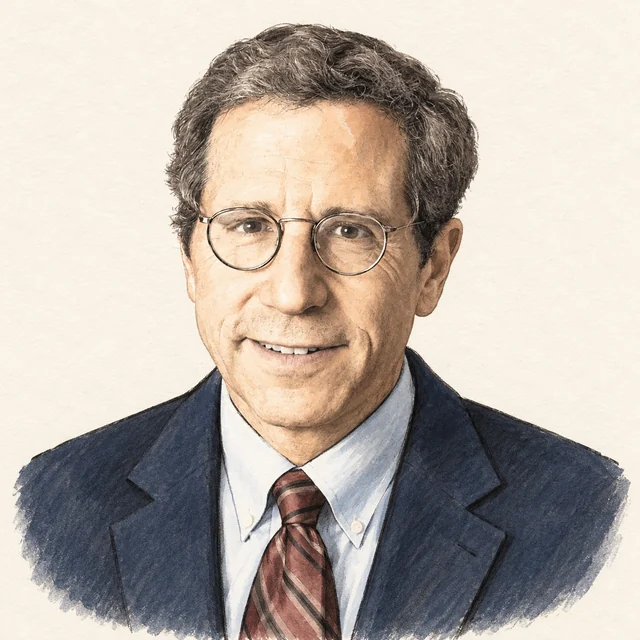
Maskin studied at Harvard, receiving his doctorate in applied mathematics in 1976. He taught at MIT and Harvard before joining the Institute for Advanced Study in 2000. The institute is a separate research institution in Princeton, not Princeton University. His research uses game theory to ask how rules shape strategic behaviour in markets, voting and other collective decisions.
The contribution
Maskin developed implementation theory, asking when a set of rules can make the desired outcomes emerge as equilibria. One satisfactory outcome is not enough if the same rules also allow other, undesirable equilibria. His work identified conditions under which objectives can be implemented and helped turn mechanism design into a theory of both possibilities and limits.
The idea in plain language
An ordinary economic model may start with the rules and ask what people will do. Mechanism design begins with a goal and works backward: which rules could bring it about? The difficulty is that participants know things a designer does not, such as their willingness to pay or the cost of producing a good. They may have reasons to misrepresent that information.
Read the full award story ↗