A life in context
The person behind the prize
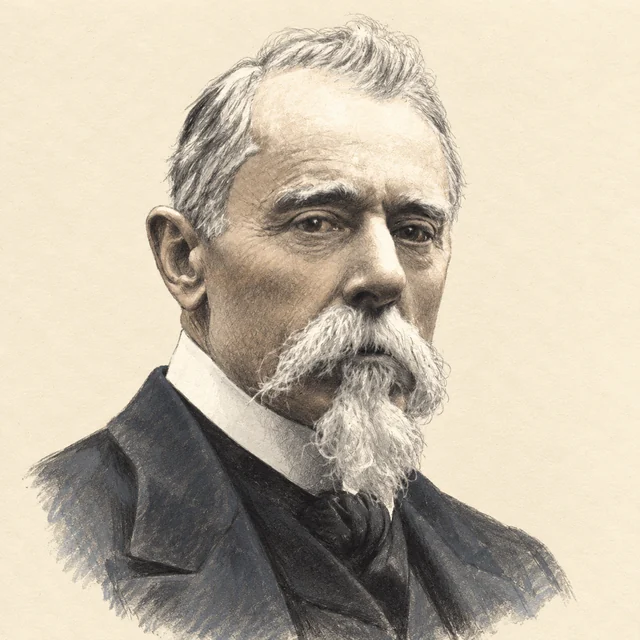
Ernesto Teodoro Moneta grew up in Milan under Austrian rule and encountered the struggle for Italian independence in the upheavals of 1848. He later served with Garibaldi and in the Italian army. The losses and disappointments of the war of 1866 helped turn him towards journalism as a means of public action. As editor of Il Secolo for many years, he reached a large audience with political reporting and argument. His peace campaigning developed through lectures, congresses, publications and cooperation with activists abroad. He helped found the Lombard Union for Peace and International Arbitration in 1887 and became its president in 1891. An almanac beginning in 1890 and the journal La vita internazionale, founded in 1898, carried arguments beyond individual meetings. He promoted arbitration and better understanding between France and Italy, while the peace congress and exhibition initiatives in Milan in 1906 made the movement visible to a wider public. In 1907 he received half the Peace Prize, with the other half awarded independently to the French jurist Louis Renault. Moneta’s peace ideal remained closely bound to national independence and patriotic defence. It did not amount to opposition to every war: in 1911 he supported Italy’s colonial war in Tripolitania, using a supposed civilising mission to justify it, and later supported Italian intervention in the First World War. Other peace activists sharply contested these positions. The contradiction belongs within his biography rather than being erased by the Nobel award. He died in Milan in 1918. His career shows the power of newspapers and associations to build a peace movement, and the ways nationalism and colonial hierarchy could limit whom its commitments protected.
The contribution
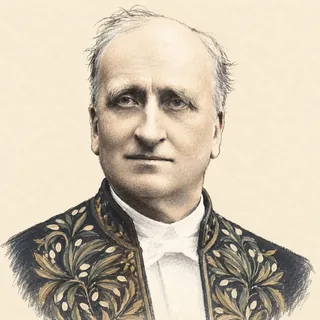
Moneta received half the Peace Prize for work in the press and public and private peace meetings, especially for understanding between France and Italy.
The idea in plain language
Moneta used a large newspaper audience and sustained organisation to promote arbitration and understanding between France and Italy. The Lombard peace movement, publications and international congresses made peace a matter of public argument, reaching beyond negotiations among governments.
Read the full award story ↗