A life in context
The person behind the prize
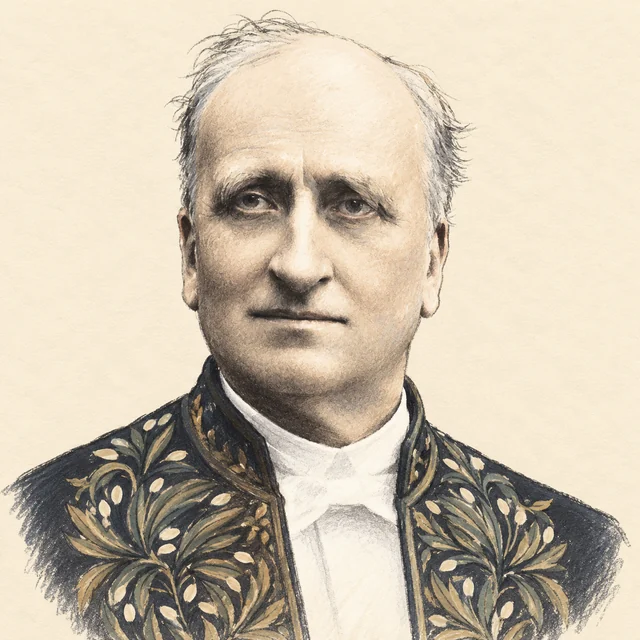
Louis Renault was a French legal scholar, distinct from the automobile industrialist of the same name. Born in Autun, he studied law in Paris and began teaching Roman and commercial law in Dijon in 1868. He moved to Paris in 1873, taught international law from 1874 and took the chair in 1881. Students knew him for demanding analysis and careful attention to how legal principles worked in practice. Appointed legal adviser to the French Foreign Ministry in 1890, he joined scholarship to diplomatic negotiation and arbitration. At the Hague conferences of 1899 and 1907 and the Geneva conference of 1906, he helped turn proposals into agreed language. His work included reports and drafting on such subjects as the opening of hostilities, naval neutrality and humanitarian rules in war. This was collective negotiation among states, rather than the invention of all international law by one person. He also worked on a proposed International Prize Court for appeals concerning captured ships and cargoes. The proposal must be distinguished from an operating court: the convention did not secure ratification and the court was never established. Renault received half the 1907 Peace Prize for his influence on the Hague and Geneva conferences; Ernesto Teodoro Moneta received the other half for a different kind of peace work. Renault continued teaching, writing and serving in international legal matters. He died in Barbizon in 1918, shortly after his final teaching period. His career illustrates how exact wording, sustained preparation and arbitration could offer alternatives to force, while legal agreement still depended on the consent, institutions and conduct of states.
The contribution
Renault received half the Peace Prize for his decisive influence on the Hague and Geneva conferences, through legal expertise, negotiation and careful drafting.
The idea in plain language
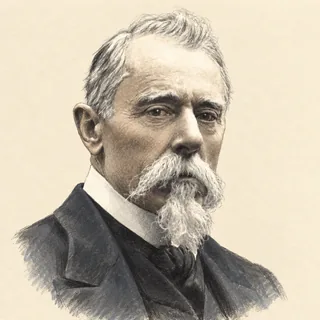
Moneta used a large newspaper audience and sustained organisation to promote arbitration and understanding between France and Italy. The Lombard peace movement, publications and international congresses made peace a matter of public argument, reaching beyond negotiations among governments.
Read the full award story ↗