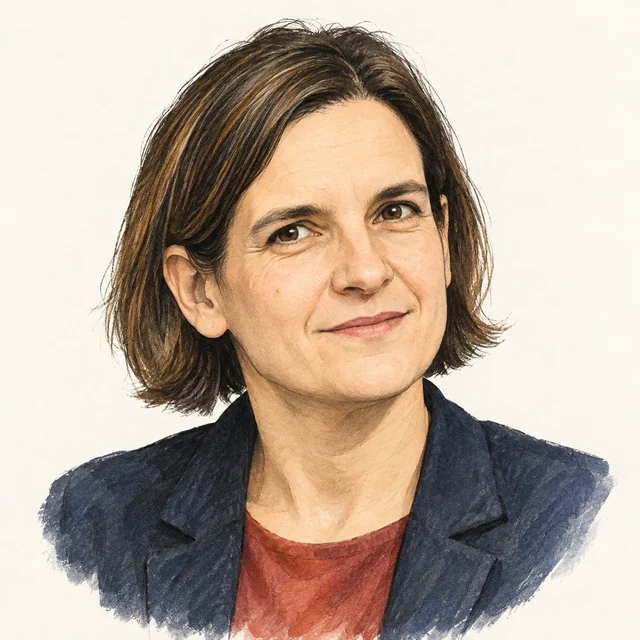
A life in context
The person behind the prize
Duflo studied history and economics in France before completing her economics doctorate at MIT in 1999. She developed a research programme built around specific questions: what prevents a child from learning, or a family from using preventive healthcare? At the award she was an MIT professor. Her work combines experimental comparisons with efforts to understand why people respond to a policy.
The contribution
With Banerjee, Kremer and many other colleagues, she helped establish field experiments as a central tool in development economics. Her studies examined interventions in education and health while asking how incentives, information and service reliability affect outcomes.
The idea in plain language
A plausible policy can fail for reasons that are easy to miss. More textbooks may not help pupils who cannot yet read them; a health service may exist but be unreliable. Banerjee, Duflo and Kremer broke broad questions about poverty into smaller ones that could be tested in everyday settings, working with local organisations and many collaborators.
Read the full award story ↗