c.curionodeThe Nobel Archive

2019 · Economic Sciences

Testing what helps, one question at a time

Carefully designed field experiments turn broad claims about poverty into questions that evidence can answer.

The Sveriges Riksbank Prize in Economic Sciences in Memory of Alfred Nobel.

Field experimentsPovertyPolicy evaluation
2019Economic Sciences

Visual guide

The prize, pictured

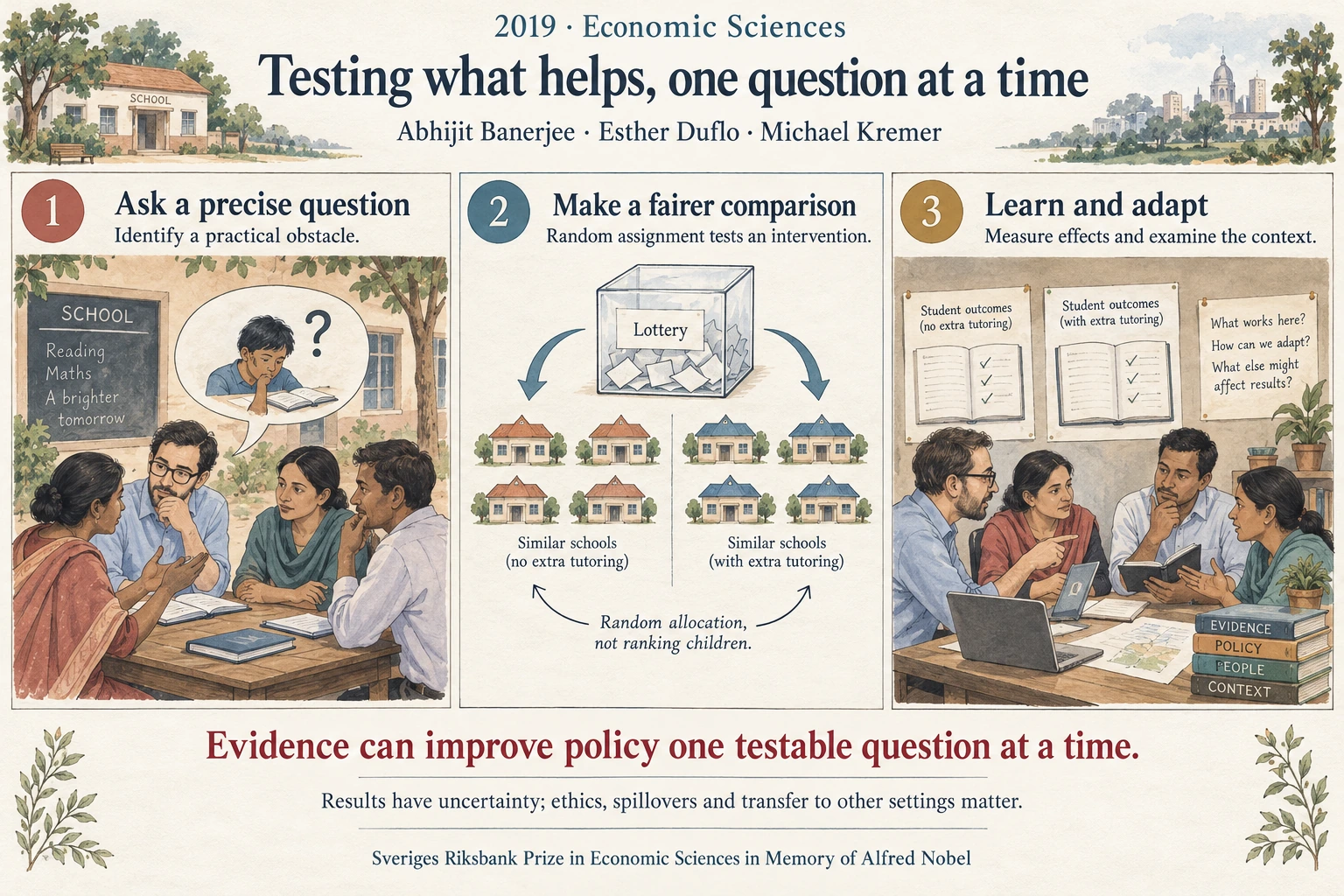
Infographic explaining Testing what helps, one question at a time
Original AI-generated infographic. A conceptual overview; the explanations and sources below provide context.
Read the poster text

Evidence can improve policy one testable question at a time.

  1. Ask a precise question

    Identify a practical obstacle.

  2. Make a fairer comparison

    Random assignment tests an intervention.

  3. Learn and adapt

    Measure effects and examine the context.

Results have uncertainty; ethics, spillovers and transfer to other settings matter.

01 · The discovery

The idea, in everyday language

A plausible policy can fail for reasons that are easy to miss. More textbooks may not help pupils who cannot yet read them; a health service may exist but be unreliable. Banerjee, Duflo and Kremer broke broad questions about poverty into smaller ones that could be tested in everyday settings, working with local organisations and many collaborators.

In a randomised evaluation, chance determines who is offered an intervention, making the comparison less dependent on people’s prior choices or advantages. Researchers measure outcomes and uncertainty, then ask which mechanisms explain the result. Early school studies in Kenya and later work on education and health in India helped establish this approach in development economics.

Why it matters

The work made policy evaluation more concrete: specify an intervention, compare outcomes and learn why it worked or failed. Evidence on targeted learning support and preventive healthcare helped guide practical programmes. The contribution is a way to learn and revise policy, rather than a single universal recipe for ending poverty.
02 · The people

Who brought the idea to life?

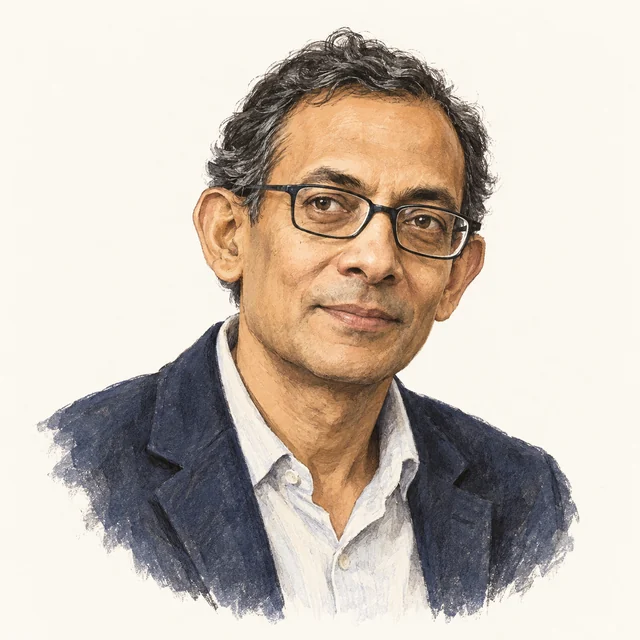
Illustrated portrait of Abhijit Banerjee

Abhijit Banerjee

Prize share · 1/3

Working with Duflo and other collaborators, he used field experiments to distinguish plausible explanations for poverty and to test practical interventions. Studies of remedial education showed why matching support to pupils’ learning needs can matter more than simply supplying more of the same resources.

Read the biography ↗
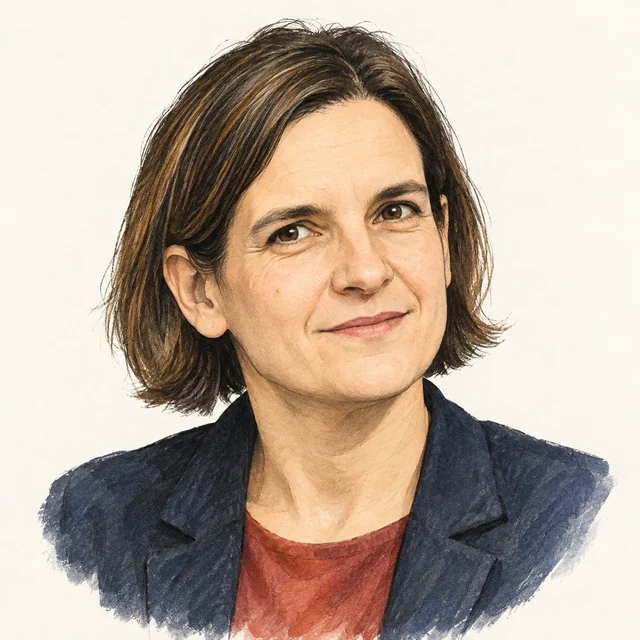
Illustrated portrait of Esther Duflo

Esther Duflo

Prize share · 1/3

With Banerjee, Kremer and many other colleagues, she helped establish field experiments as a central tool in development economics. Her studies examined interventions in education and health while asking how incentives, information and service reliability affect outcomes.

Read the biography ↗
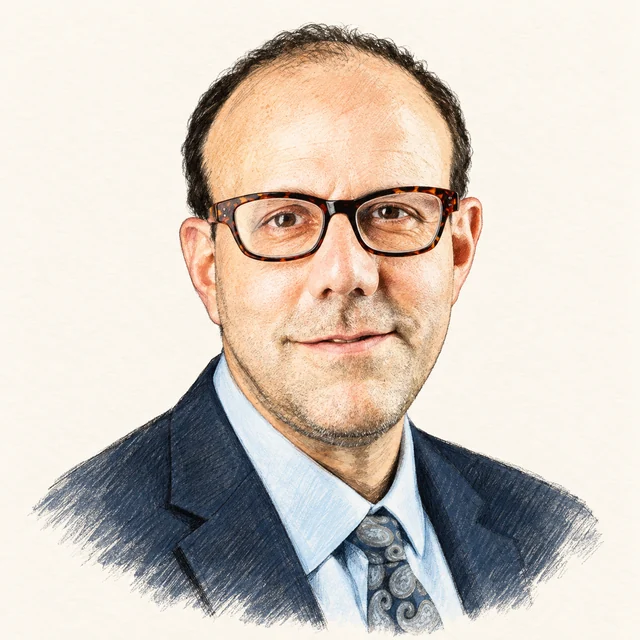
Illustrated portrait of Michael Kremer

Michael Kremer

Prize share · 1/3

He pioneered field experiments testing educational and health interventions. Random allocation made comparisons more credible, while results that differed from expectations encouraged closer attention to the practical obstacles facing pupils, teachers and families.

Read the biography ↗

03 · Years in the making

The path here

  1. Mid-1990s

    Kremer and colleagues begin field experiments in Kenyan schools.

  2. 2000s

    Collaborative studies test targeted education and health interventions in India and elsewhere.

  3. 2019

    The prize recognises an experimental approach to understanding and alleviating poverty.

04 · Read further

From the original sources

Original explanations by Curionode, based on the official records below. Biographical details and affiliations refer to the award year.

  1. Official award announcement nobelprize.org
  2. Nobel Committee’s accessible background nobelprize.org

More in Economic Sciences

Browse this subject ↗