A life in context
The person behind the prize
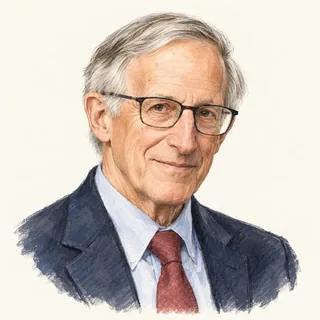
Romer received his doctorate at the University of Chicago in 1983 and worked at several American universities before joining New York University. His research asked where the technological progress behind long-term growth comes from. Instead of assuming that inventions simply arrive from outside the economy, he studied how research decisions and incentives generate ideas that other people can also use.
The contribution
His theory of endogenous growth placed purposeful innovation inside economic models. An idea can be used by many people at once, unlike a single machine, while access may still be restricted. This distinction helps explain both the promise of knowledge and the policy challenges of funding its creation.
The idea in plain language
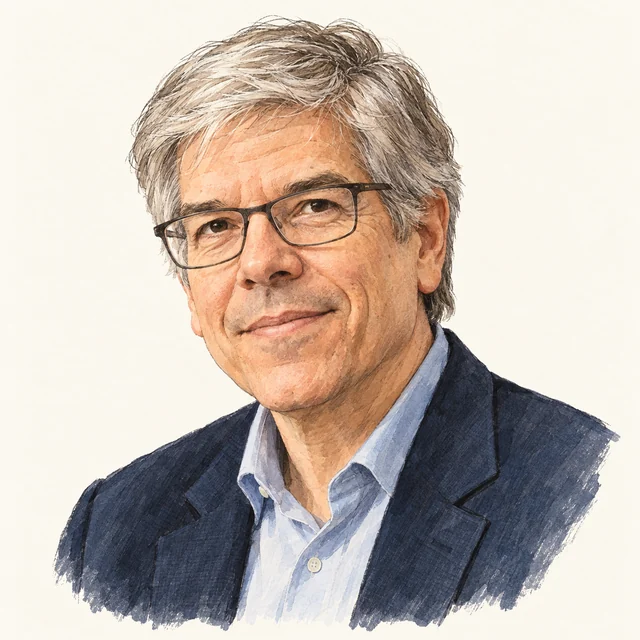
An economy changes the environment in which it operates. Production can generate emissions; emissions alter the climate; climate change can damage livelihoods and production. William Nordhaus brought these connections into integrated assessment models. Instead of analysing the economy and climate separately, the models let them affect one another over time. Researchers can compare scenarios, including different policies, while making the underlying assumptions about costs, damages and physical processes explicit.
Read the full award story ↗