A life in context
The person behind the prize
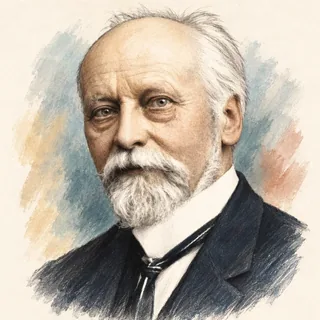
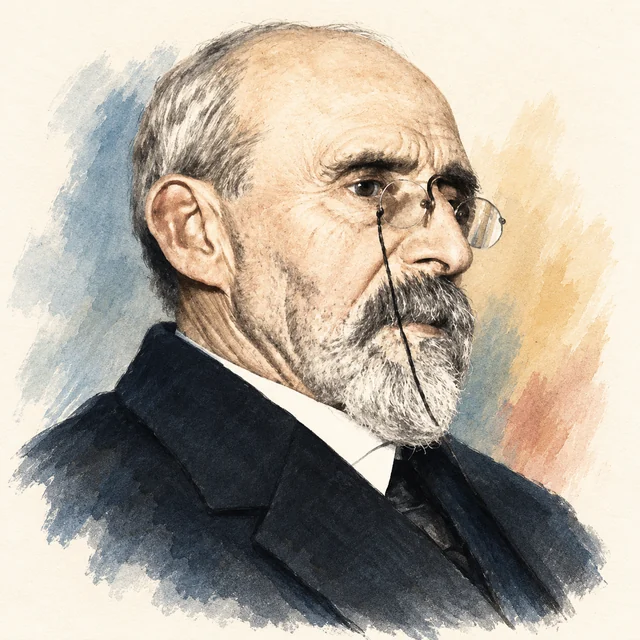
Buisson’s career joined education, democratic politics and work for peace. Refusing to swear allegiance to Napoleon III, he taught in Switzerland from 1866 and took part in the Geneva peace congress of 1867. After returning to France he helped build free, compulsory, secular primary education, becoming director of primary education in 1879 and later teaching at the Sorbonne. The Dreyfus affair drew him into a campaign against injustice and antisemitism; he helped found the League for Human Rights in 1898. The League’s own history dates his presidency to 1914–1926, so he was its former president at the award. He also served in the Chamber of Deputies and supported women’s suffrage. His views on war were not unchanged: he regarded France’s First World War effort as defensive, then criticized punitive postwar policies and promoted reconciliation with Germany. He shared the 1927 Peace Prize with Ludwig Quidde for helping shape public opinion in favour of international cooperation. He died in 1932.
The contribution
Buisson received half the Peace Prize for helping build French public support for peaceful international cooperation. Education, rights campaigns and meetings for Franco-German reconciliation formed parts of that work.
The idea in plain language
Treaties depend partly on the public worlds around them: schools, newspapers, associations and meetings can reinforce hostility or make cooperation more imaginable. The 1927 committee recognized Buisson and Quidde for helping develop opinion favourable to peaceful relations in France and Germany. Their award concerned civic work, rather than service as the negotiators of the Locarno treaties.
Read the full award story ↗