A life in context
The person behind the prize
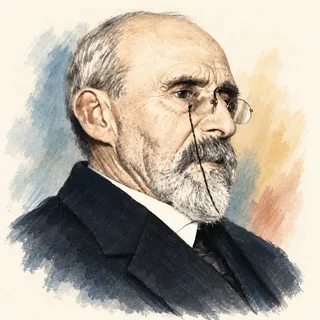
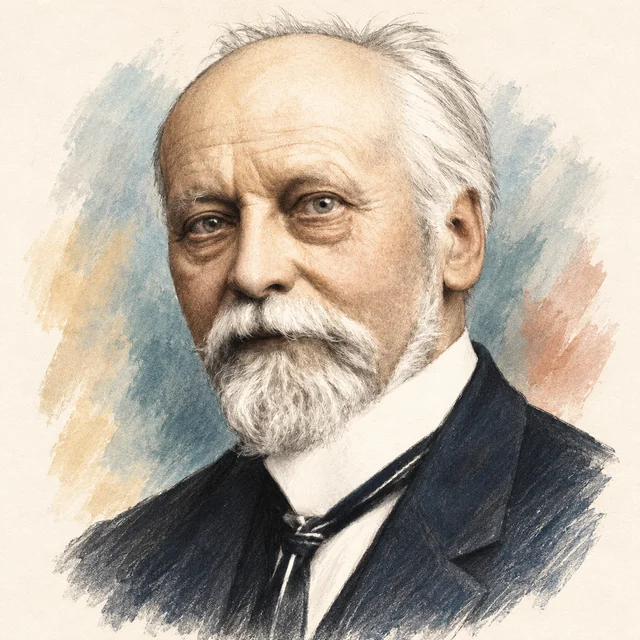
Quidde grew up in Bremen and studied history at Strasbourg and Göttingen. Editorial work on medieval documents and a period at the Prussian Historical Institute in Rome preceded his increasing political activity. Caligula, published in 1894, used an account of a Roman emperor as a satire on Wilhelm II and imperial political culture. His criticism of militarism brought prosecution, imprisonment and surveillance at different points in his life. He served in the Bavarian Assembly from 1907 to 1919 and entered the Weimar National Assembly in 1919; the 1907 office should not be confused with a seat in the imperial Reichstag. President of the German Peace Society from 1914, he worked to sustain international pacifist contacts and opposed annexationist war aims. He shared the 1927 Peace Prize with Ferdinand Buisson for fostering public opinion favourable to peaceful cooperation. In 1933 he fled to Geneva, where he continued organizing and helped other exiled pacifists. He died there in 1941.
The contribution
Quidde received half the Peace Prize for helping create German public support for peaceful international cooperation. He organized peace associations and congresses, challenged militarism and sought reconciliation across national divisions.
The idea in plain language
Treaties depend partly on the public worlds around them: schools, newspapers, associations and meetings can reinforce hostility or make cooperation more imaginable. The 1927 committee recognized Buisson and Quidde for helping develop opinion favourable to peaceful relations in France and Germany. Their award concerned civic work, rather than service as the negotiators of the Locarno treaties.
Read the full award story ↗