01 · The contribution
The idea, in everyday language
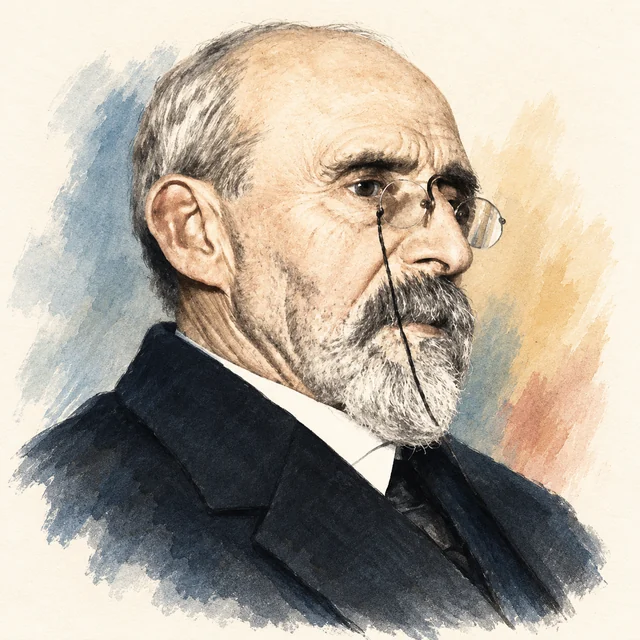
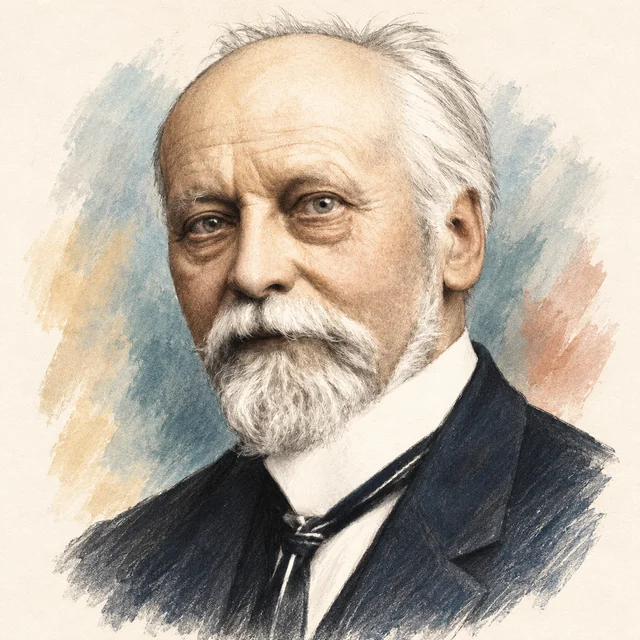
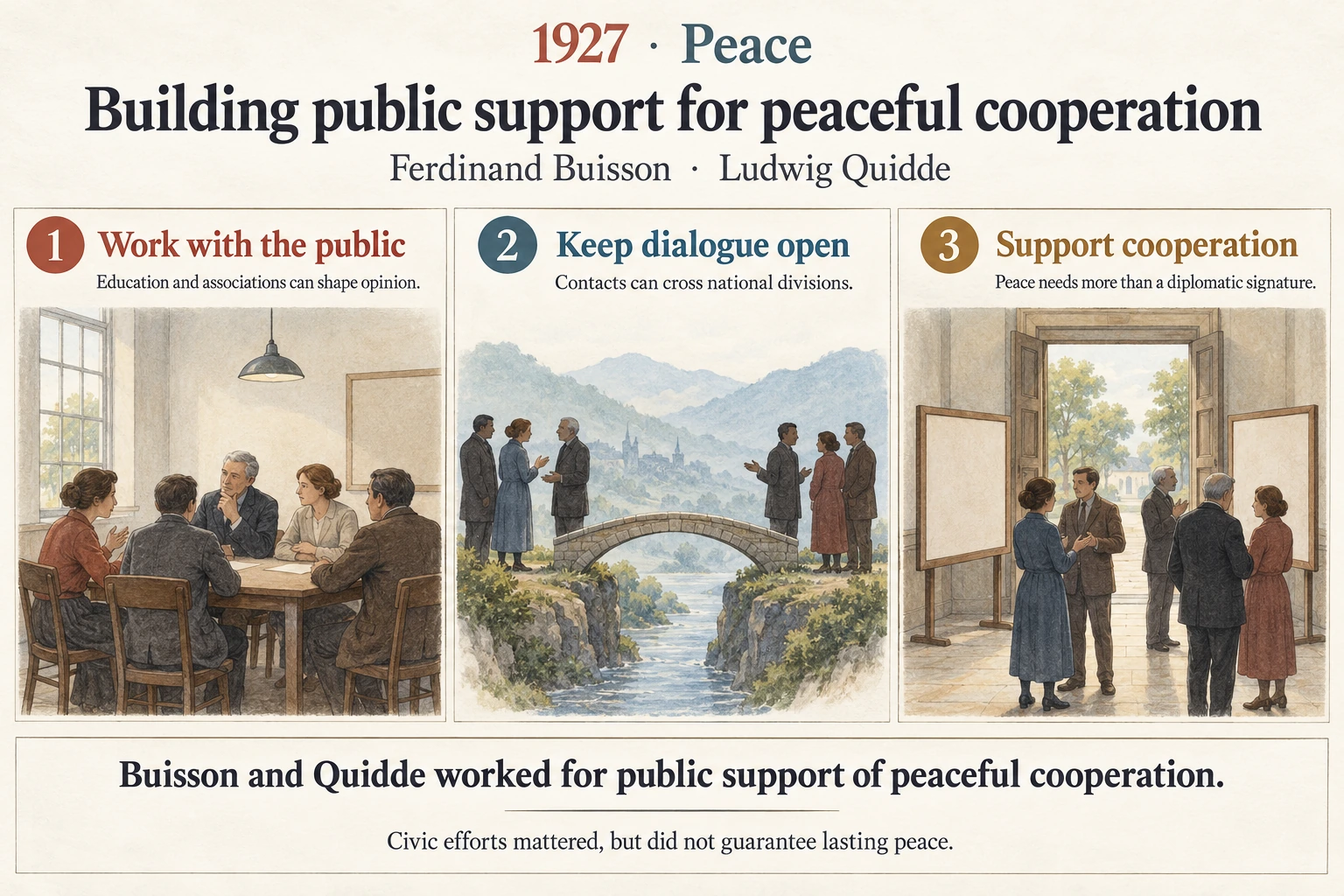
Treaties depend partly on the public worlds around them: schools, newspapers, associations and meetings can reinforce hostility or make cooperation more imaginable. The 1927 committee recognized Buisson and Quidde for helping develop opinion favourable to peaceful relations in France and Germany. Their award concerned civic work, rather than service as the negotiators of the Locarno treaties.
Buisson linked education and human-rights campaigning with postwar reconciliation. Quidde organized peace associations and congresses, challenged militarism and opposed annexationist war aims. Their work included maintaining contacts across national divisions and arguing against policies that could deepen resentment. The two men did not have identical views or identical wartime histories.
Why it matters
The prize broadened attention from diplomacy by officials to the long work of education and civic organization. It recognized efforts to change the climate in which international decisions are made. That contribution remained meaningful even though it did not secure lasting peace or prevent the later rise of Nazism and another world war.