A life in context
The person behind the prize
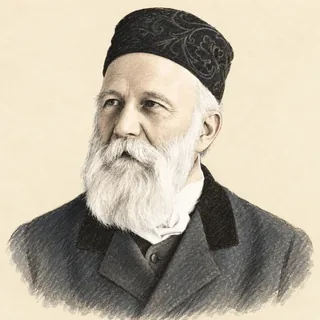
Frédéric Passy was born in Paris in 1822 into a family with strong connections to public life. He trained in law and joined the Council of State as an accountant in 1844, but left three years later to study economics. Lecturing and writing made him an effective public speaker. He believed that economic exchange and free trade could give nations reasons to cooperate, though this was a political argument rather than a guarantee that commerce would prevent war. The Crimean War sharpened his concern with the contrast between efforts to relieve natural disasters and acceptance of destruction caused by people. During the Luxembourg crisis of 1867 he appealed publicly for peace and helped establish the International and Permanent League of Peace in Paris. It should be distinguished from another peace league founded in Geneva that year. The Franco-Prussian War exposed the limits of the movement, and Passy helped reorganise French peace campaigning after the conflict. His later organisation placed international arbitration at the centre of its programme. Election to the Chamber of Deputies in 1881 and again in 1885 gave him a parliamentary platform for arbitration, labour reform and criticism of French colonial policy. Arbitration meant asking an agreed third party to consider a dispute through a procedure accepted by those involved, rather than treating armed force as the natural next step. It did not create an authority automatically able to compel every government to accept a decision. Work with the British parliamentarian Randal Cremer led to a preliminary meeting in Paris in 1888 and the Inter-Parliamentary Conference in 1889, the origin of the IPU. Their cooperation connected legislators across national borders without turning them into a world parliament. Passy received half of the first Nobel Peace Prize in 1901, sharing the award with Henry Dunant. The pairing recognised both efforts to settle disputes peacefully and efforts to protect people when war occurred. The brief first ceremony included an announcement of the shares, rather than a formal presentation speech evaluating the two careers. Passy continued writing and campaigning despite failing eyesight; Pour la Paix appeared in 1909. He died in Paris in 1912. His contribution rested on persistent association-building, public argument and parliamentary contacts, with the limitations of voluntary international cooperation as important as its ambitions.
The contribution
Passy promoted arbitration and built peace organisations, including cooperation with Cremer that helped found the IPU. His half of the 1901 Peace Prize recognised sustained work to settle international disputes peacefully.
The idea in plain language
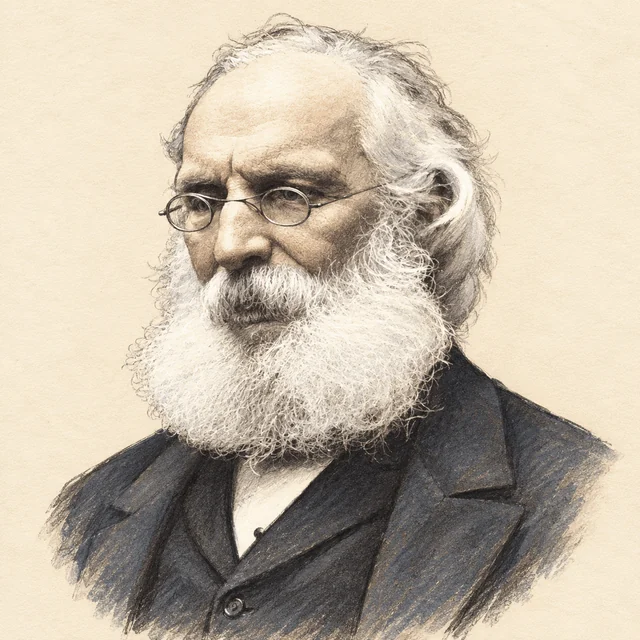
After Solferino, Dunant proposed relief societies and international protection for wounded soldiers. Collective organising led to the early Red Cross institutions and the first Geneva Convention, requiring care without making a wounded person’s side the test.
Read the full award story ↗