A life in context
The person behind the prize
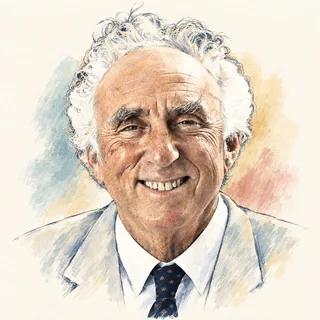
Reines was born in New Jersey and developed interests in science and music. He studied engineering and physics before doctoral research at New York University and work at Los Alamos. With Clyde Cowan he took on the problem of detecting a particle expected to pass through most matter almost unhindered. He later led neutrino research at Case and became a founding dean at the University of California, Irvine.
The contribution
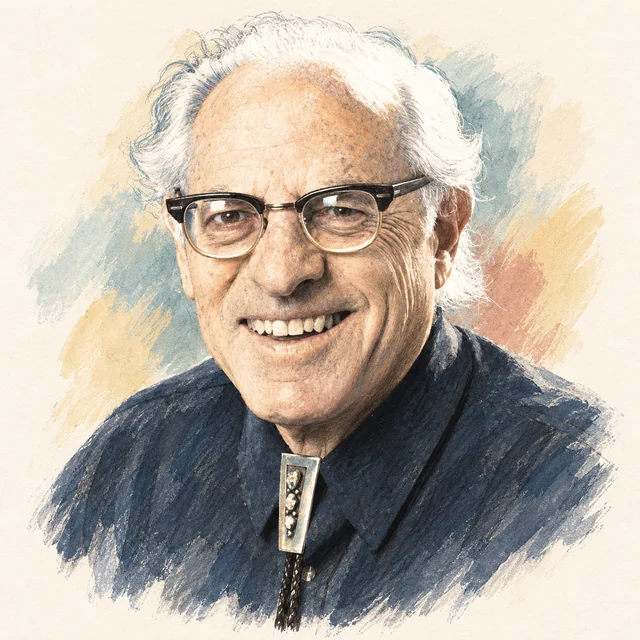
Reines and Cowan used the intense electron-antineutrino flux from a nuclear reactor to make rare interactions observable. At Savannah River in 1956, the experiment identified a paired signature: a prompt signal associated with a positron, followed by a delayed signal from neutron capture. This distinguished candidate interactions from much background. Cowan, who died before the award, remains essential to the discovery’s history; Reines received half the 1995 prize.
The idea in plain language
The 1995 prize joined two distinct discoveries. Perl’s team investigated electron–positron collisions and found events that existing particles could not adequately explain. Unusual electron–muon combinations, together with missing energy, supported the production and decay of a new heavy charged lepton: the tau. The claim emerged from testing alternatives and gathering further evidence, not from observing a visible tau track.
Read the full award story ↗