A life in context
The person behind the prize
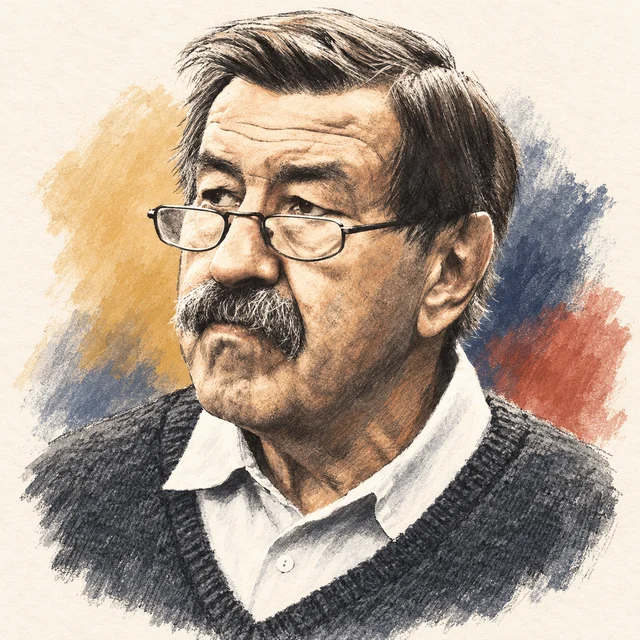
Grass grew up in Danzig, where German and Polish histories overlapped. After wartime military service and captivity, he worked as a labourer and studied art in Düsseldorf and Berlin. Sculpture, drawing, poetry and theatre accompanied his fiction. The Tin Drum brought international recognition in 1959, and his writing repeatedly returned to memory, complicity and the stories societies prefer to suppress. In 2006 he publicly disclosed his youthful service in the Waffen-SS, complicating the reception of his role as a critic of German public memory.
The contribution
Grass used grotesque invention, unreliable narrators and dark comedy to bring overlooked experiences into accounts of twentieth-century history. The Danzig Trilogy combines remembered settings with fiction that resists a comfortable version of the past. The Literature Prize recognized his body of writing, including its imaginative force and attention to forgotten history, rather than endorsing his political positions or resolving questions about his own past.
The idea in plain language
Public history can favor orderly explanations and leave awkward memories at the edge. Grass returned to Danzig, war and the compromises of ordinary lives through fiction that makes those margins difficult to ignore. The Tin Drum’s extraordinary narrator disrupts the scale and logic of everyday reality, while the Danzig Trilogy places individual voices within a wider history of violence and complicity.
Read the full award story ↗

