A life in context
The person behind the prize
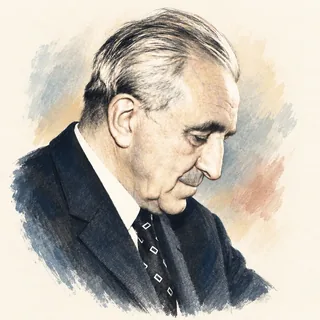
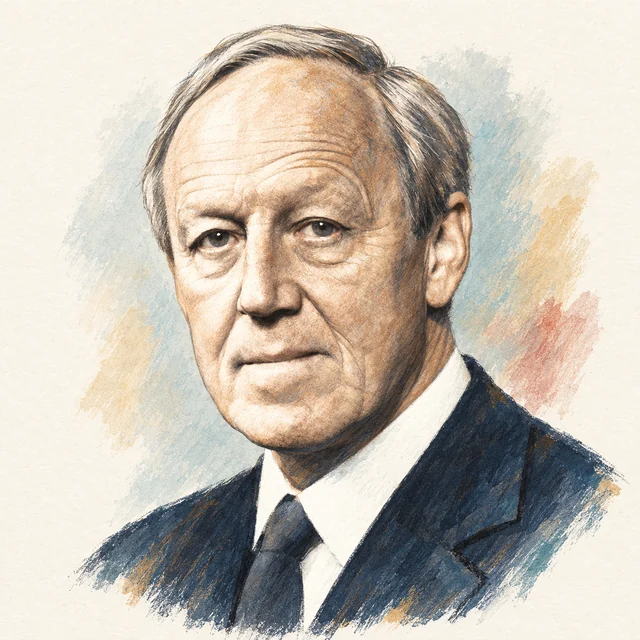
Alfvén studied at Uppsala from 1926, completing a doctorate in 1934 and becoming a lecturer that year. He worked at the Nobel Institute for Physics before joining Stockholm’s Royal Institute of Technology as professor of the theory of electricity in 1940. His positions later encompassed electronics and plasma physics. Research on charged matter in space led him to examine how conducting fluids, electric currents and magnetic fields affect one another. Magnetohydrodynamic waves became an important part of this account. He also pursued applications to astrophysics and plasma stability. From 1967 he held a visiting appointment at the University of California, San Diego, while his official award-year affiliation remained the Royal Institute of Technology. His half of the prize recognised plasma physics; Néel’s half recognised separate work on magnetic order in solids.
The contribution
Alfvén developed fundamental magnetohydrodynamic work with applications across plasma physics. He received half the Physics Prize.
The idea in plain language
A plasma contains charged particles and can conduct electric current. Alfvén examined how fluid motion, currents and fields influence one another, developing magnetohydrodynamics and the waves associated with his name. This brought useful physical tools to problems in space and in laboratory plasmas.
Read the full award story ↗