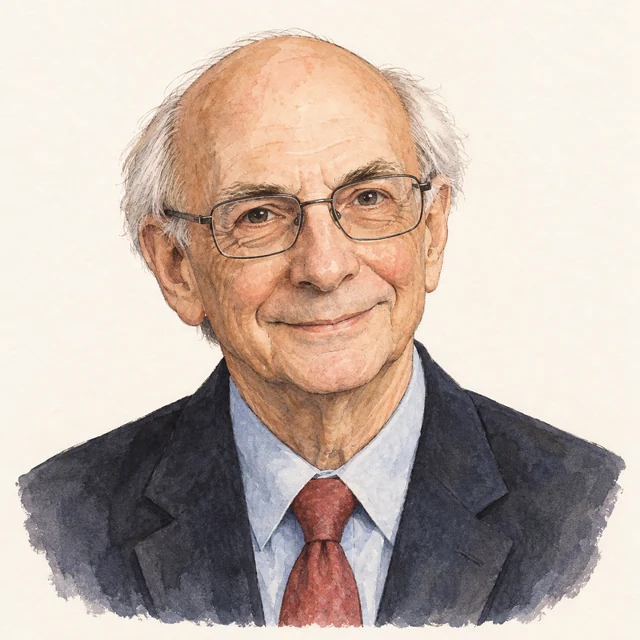
A life in context
The person behind the prize
Alter trained as a physician at the University of Rochester and joined the US National Institutes of Health in 1961. After a period at Georgetown University, he returned to NIH in 1969 to work in transfusion medicine. Following patients over time, he investigated why hepatitis still occurred after blood was screened for already recognised causes.
The contribution
He and colleagues established that many transfusion-associated hepatitis cases were caused by an unknown infectious agent, distinct from hepatitis A and B. Their clinical and transmission studies defined the problem that the later discovery of hepatitis C would solve.
The idea in plain language
Some patients developed hepatitis after transfusions even when the blood had been screened for hepatitis B, and hepatitis A did not explain the cases. Alter’s studies showed that another infectious agent was involved. The illness had a description—non-A, non-B hepatitis—but its cause still lacked an identity.
Read the full award story ↗