A life in context
The person behind the prize
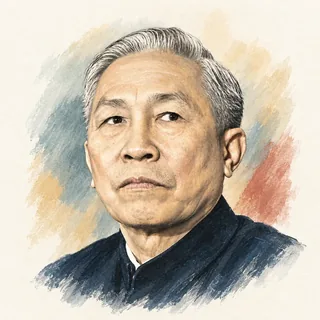
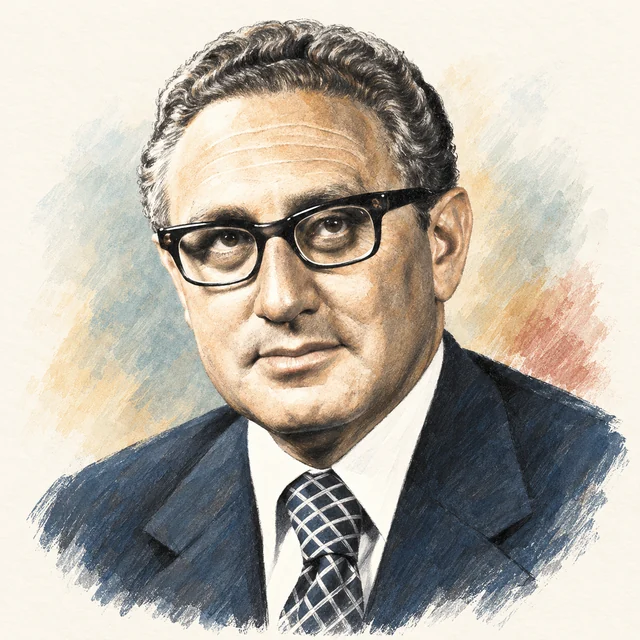
Kissinger’s German Jewish family moved to the United States in 1938. Army intelligence service was followed by study at Harvard, where he earned a doctorate in 1954 and taught government and international affairs. He became President Nixon’s national security adviser in 1969 and Secretary of State in 1973. Negotiations with Lê Đức Thọ helped produce the Paris agreement, initialled by the two on 23 January and formally signed by four foreign ministers on 27 January 1973. The agreement enabled US troop withdrawal and prisoner releases, but fighting continued. The Nobel facts account places his negotiations alongside bombing and military pressure, and records two committee resignations over the award. He accepted the prize but did not attend the Oslo ceremony. The award’s specific citation does not endorse his wider foreign policy.
The contribution
Kissinger negotiated the 1973 Vietnam ceasefire with Lê Đức Thọ and accepted his half of the Peace Prize. The award was controversial and fighting continued.
The idea in plain language
Private talks between the US adviser and the North Vietnamese negotiator operated within a wider four-party process. They initialled the Paris agreement on 23 January 1973. Four foreign ministers formally signed it on 27 January: Nguyễn Duy Trinh, Nguyễn Thị Bình, William Rogers and Trần Văn Lắm. Negotiating the settlement and signing its final documents were different roles.
Read the full award story ↗