A life in context
The person behind the prize
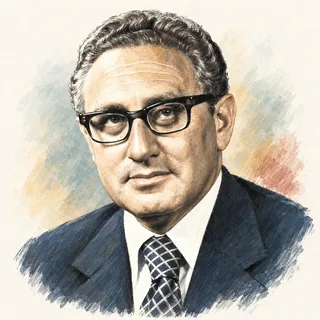
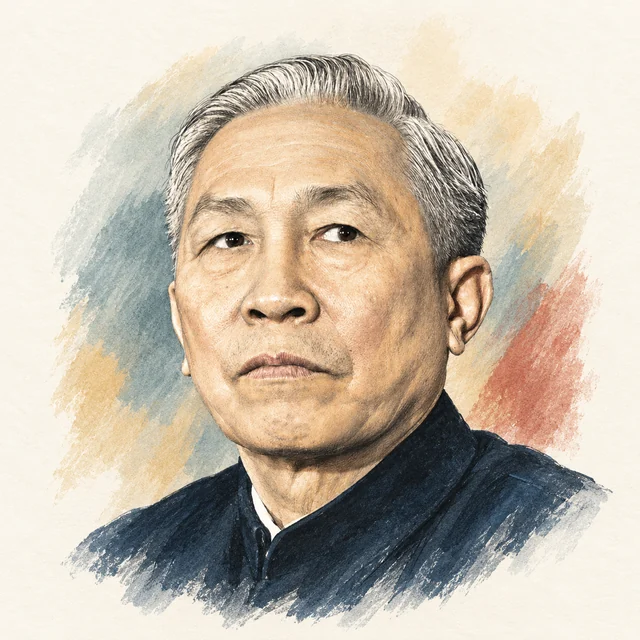
Lê Đức Thọ entered the Vietnamese communist movement as a young man and was imprisoned under French colonial rule. He took part in the struggle for independence and became a senior political figure in North Vietnam. From 1968 he was involved in the Paris negotiations, with later private talks opposite Henry Kissinger. The two initialled the agreement on 23 January 1973; four foreign ministers formally signed it four days later. The Nobel Committee named both negotiators as joint recipients for the ceasefire. Thọ declined, arguing that peace had not been established and the agreement was being violated. He remains an awarded recipient in the official record, with a half share, despite refusing acceptance. His Nobel biographical page states that he submitted no biography; this account draws on the facts page and verified chronology.
The contribution
Thọ negotiated the Vietnam ceasefire with Kissinger but declined the Peace Prize because peace had not been secured. He remains a listed half-share recipient.
The idea in plain language
Private talks between the US adviser and the North Vietnamese negotiator operated within a wider four-party process. They initialled the Paris agreement on 23 January 1973. Four foreign ministers formally signed it on 27 January: Nguyễn Duy Trinh, Nguyễn Thị Bình, William Rogers and Trần Văn Lắm. Negotiating the settlement and signing its final documents were different roles.
Read the full award story ↗