A life in context
The person behind the prize
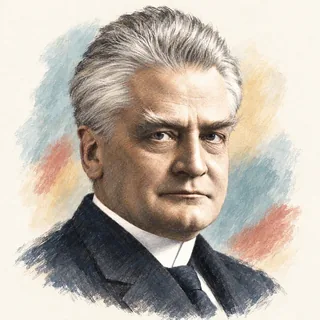
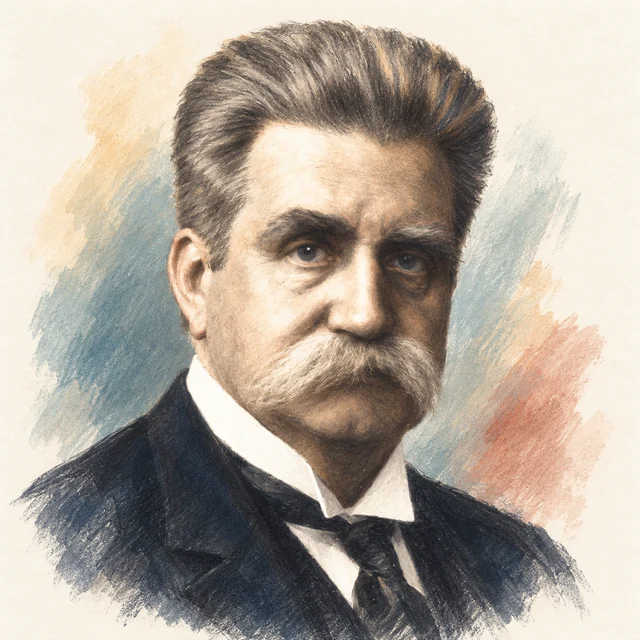
Branting studied mathematics and astronomy at Uppsala and worked at the Stockholm Observatory before turning towards journalism and politics. He helped build Sweden’s Social Democratic movement and entered parliament in 1896. His approach linked social reform with democratic methods and international cooperation. During the dissolution of the union between Sweden and Norway in 1905, he opposed using force to keep Norway in the union. He became Sweden’s prime minister in 1920 and returned to office in October 1921. As a Swedish representative at the League of Nations, he favoured negotiation and arbitration, accepting the League’s decision that the Åland Islands should belong to Finland rather than Sweden. The 1921 Peace Prize was divided equally between him and Christian Lange for sustained work towards peace and organised internationalism. Branting brought the position and responsibilities of a national politician to that effort. Official duties prevented him from attending the presentation; the Swedish minister Baron Ramel accepted for him, according to the surviving brief report of the address. He later served a third term as prime minister and continued international work. He died in Stockholm in February 1925.
The contribution
Branting received half the Peace Prize for lifelong work for peace and organised internationalism. Through democratic politics, opposition to a forced union with Norway, and League of Nations work, he supported negotiated solutions to international disputes.
The idea in plain language
International disputes need more than goodwill if governments are to keep talking when interests conflict. Branting supported negotiation and arbitration through national politics and the League of Nations. His opposition to using force against Norway in 1905 illustrated a commitment to resolving a specific conflict peacefully.
Read the full award story ↗