A life in context
The person behind the prize
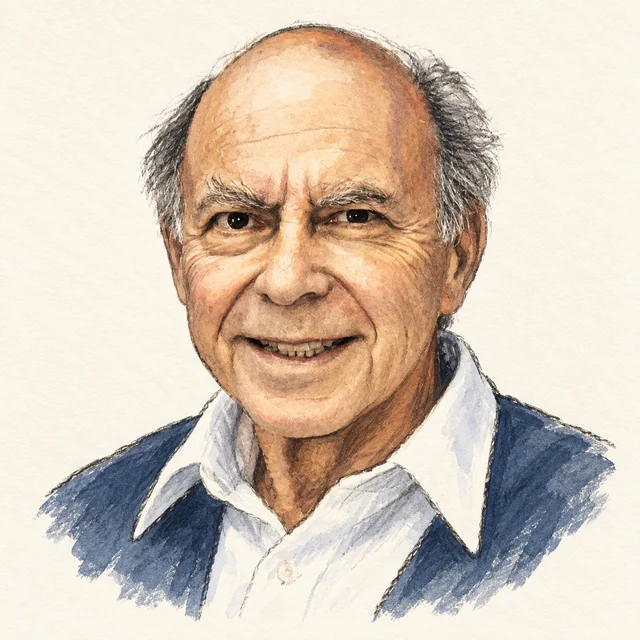
Rose received his doctorate at the University of Chicago in 1952 and developed expertise in how enzymes carry out chemical reactions. The prize recognised research conducted in collaboration with Hershko and Ciechanover, including visits to his laboratory at the Fox Chase Cancer Center in Philadelphia. His affiliation at the time of the award was the University of California, Irvine.
The contribution
Rose contributed to the biochemical dissection of the ubiquitin system, helping the collaborators identify how a small protein label becomes attached to other proteins before they are degraded. Their 1980 studies established covalent attachment and the involvement of multiple ubiquitin molecules. This collaborative work connected energy use, enzyme reactions and selective protein removal, rather than treating breakdown as a single unexplained step.
The idea in plain language
Cells must remove proteins as well as make them. Some are damaged or misfolded; others are perfectly functional but need to disappear at a particular time. Ciechanover, Hershko and Rose used cell extracts to investigate why this selective breakdown requires energy. They found that a small protein, ubiquitin, becomes attached to target proteins through a sequence of enzyme reactions.
Read the full award story ↗