A life in context
The person behind the prize
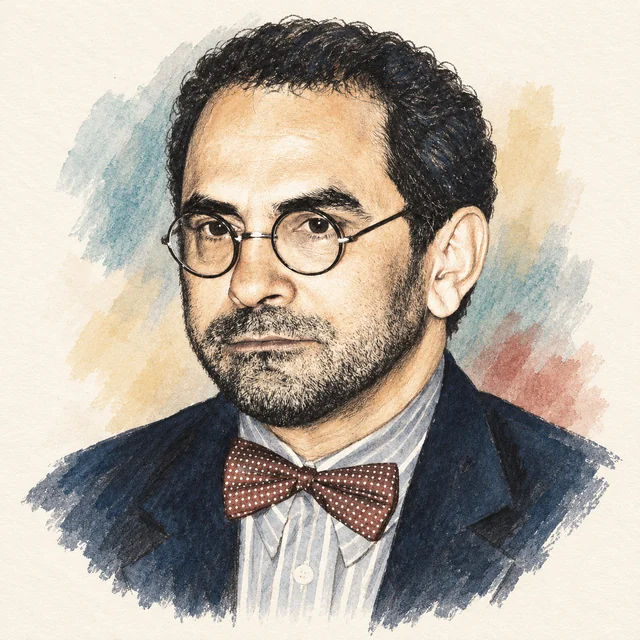
Ramos-Horta was born in Dili and became foreign minister in East Timor’s provisional government before the 1975 Indonesian invasion. He spent the following years abroad, presenting the East Timorese case to the United Nations and other international bodies. By 1996 he represented the National Council of Maubere Resistance and coordinated diplomatic efforts. His approach sought international attention, negotiation and a path to self-determination.
The contribution
Ramos-Horta brought the East Timorese struggle to international diplomatic forums and developed proposals for a peaceful settlement. His 1992 peace plan connected humanitarian cooperation and international involvement with a longer path toward withdrawal and self-determination. The 1996 prize recognised these sustained efforts alongside Belo’s work inside the territory. The later UN-assisted transition culminated in independence in May 2002, not in the award year.
The idea in plain language
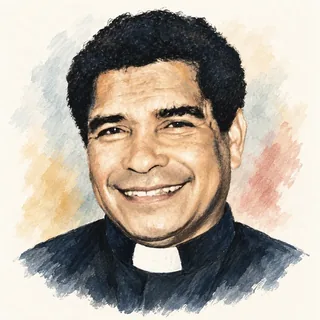
After Indonesia’s 1975 invasion, East Timorese people faced violence and repression. The Nobel Committee highlighted two different roles in the effort to protect civilians and pursue self-determination. Belo, a church leader inside the territory, spoke against abuses and for nonviolence and dialogue. Ramos-Horta brought the East Timorese case to international institutions and developed proposals for a negotiated settlement.
Read the full award story ↗