A life in context
The person behind the prize
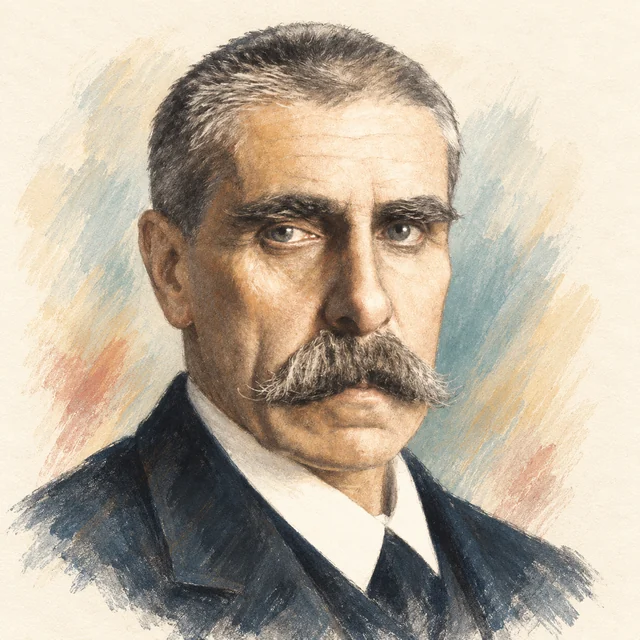
Wagner-Jauregg studied medicine in Vienna, completing his doctorate in 1880, and entered psychiatric work in 1883. After a post in Graz he returned to Vienna in 1893. Observations of fever and changes in psychiatric symptoms prompted a long investigation that led to malariotherapy in 1917. The relevant disease was general paresis caused by syphilis affecting the nervous system, not every condition now described as dementia or mental illness. Historical reports of improvement in some patients earned him the full 1927 Medicine Prize. Deliberately causing a dangerous infection was nevertheless a hazardous intervention, and later antibiotic treatment changed the medical context. He retired in 1928 and died in 1940. His wider record also requires critical attention: the University of Vienna documents his support for eugenic and racial-hygiene ideas and compulsory sterilization, and questions the ethics of his human experimentation. Recognition of the historical discovery does not remove those concerns or make the treatment a model for present care.
The contribution
Wagner-Jauregg received the full Medicine Prize for the historical therapeutic use of malaria-induced fever in general paresis. This was a specific neurosyphilis context, with serious risks and ethical questions, rather than a general cure for mental illness.
The idea in plain language
General paresis was a devastating consequence of syphilis affecting the nervous system. It could alter cognition and behaviour and progress to severe disability. Wagner-Jauregg’s work concerned this specific infectious disease context, rather than every condition described as mental illness or dementia.
Read the full award story ↗