A life in context
The person behind the prize
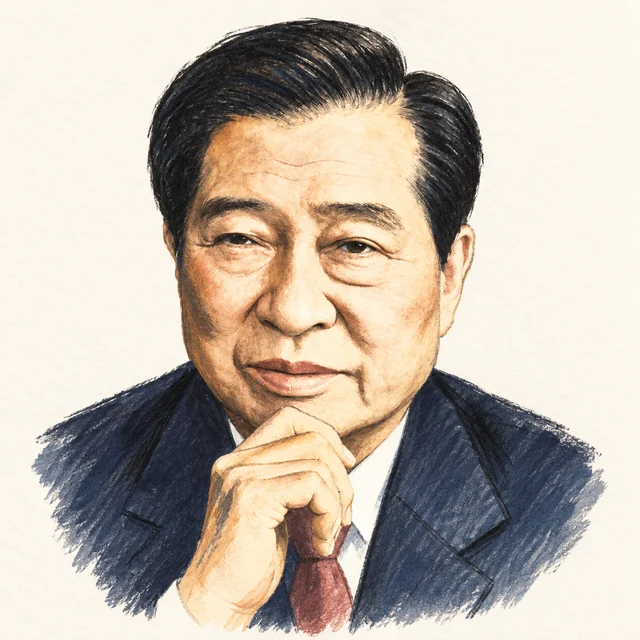
Kim’s political career developed through decades of authoritarian rule in South Korea. As an opposition leader he faced imprisonment, house arrest, kidnapping and exile. He continued campaigning for democratic government and human rights, and won the presidential election in December 1997. His presidency joined domestic democratic reform with an effort to reduce hostility toward North Korea through engagement rather than isolation alone.
The contribution
The award recognised Kim’s work for democracy and human rights in South Korea and East Asia, and especially reconciliation with North Korea. His sunshine policy sought dialogue and practical cooperation. In June 2000 he met North Korean leader Kim Jong-il, and they signed a joint declaration. Family reunions and other exchanges gave the opening a human dimension. The prize honoured these efforts; it did not mean that division or security tensions had been resolved.
The idea in plain language
Kim spent decades opposing authoritarian rule in South Korea, enduring imprisonment, threats, house arrest and exile. His election in 1997 brought an opposition leader to the presidency through democratic voting. The prize recognised this history of work for democracy and human rights, including concern for rights elsewhere in East Asia.
Read the full award story ↗

