A life in context
The person behind the prize
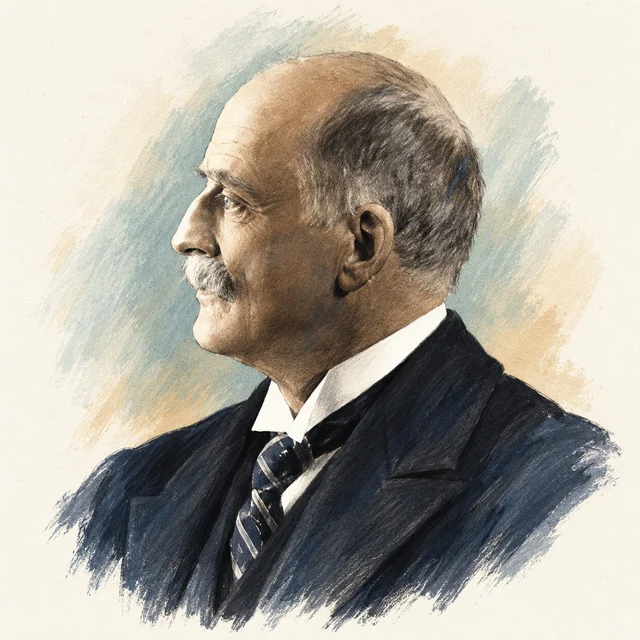
Hamsun grew up in poverty in northern Norway and worked at many occupations before establishing himself as a writer. Periods in the United States supplied experiences later treated in his writing. Hunger, published in 1890, and Pan, in 1894, were important early successes, attending to unsettled individual experience in very different ways from his later rural epic. Growth of the Soil, originally Markens grøde, appeared in 1917. It made the repeated labour of cultivation and the building of a life on the land into a large literary subject. The full 1920 Literature Prize specifically cited this novel, an important distinction from awards citing an entire body of work. He wrote in Norwegian and lived in Norway at the time of the award. His later support for Nazism and the German occupation of Norway is an essential part of his subsequent history, separate from the novel recognised in 1920. The Hamsun Centre documents his public support, a meeting with Hitler in 1943 and postwar civil compensation proceedings. Those proceedings should not be described as a criminal conviction. He continued writing late in life and died at Nørholm, near Grimstad, in 1952. His literary achievement does not erase the responsibility attached to his later political choices.
The contribution
Hamsun received the full Literature Prize specifically for Growth of the Soil. Its sustained narrative of labour, cultivation and human relationships gave the ordinary work of rural life an epic scale.
The idea in plain language
A story can find its scale in repeated work rather than a single spectacular event. In Growth of the Soil, the labour of cultivating land and establishing a rural life becomes the centre of an extended narrative. Characters remain fallible people, while the rhythm of work gives the book its epic ambition.
Read the full award story ↗

