A life in context
The person behind the prize
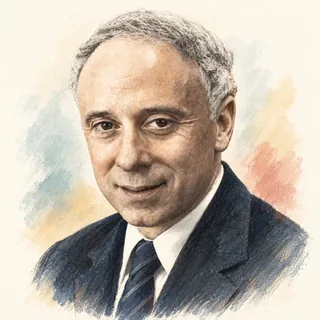
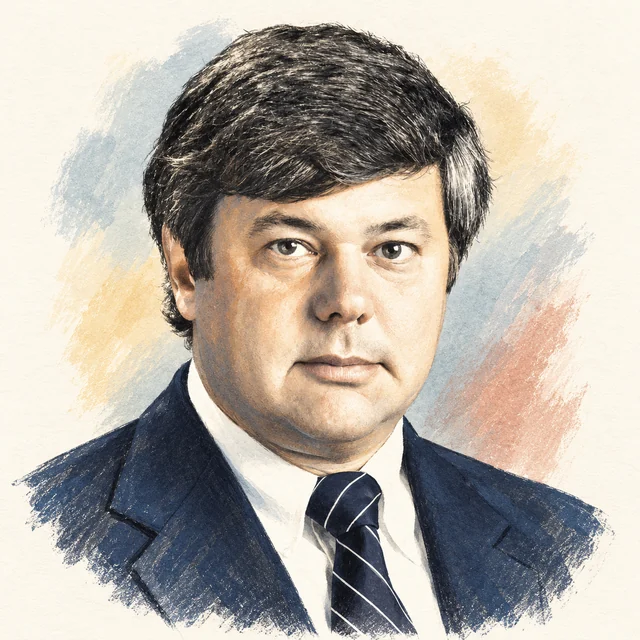
Brown studied chemistry at Pennsylvania, graduating in 1962 and earning his medical degree in 1966. During clinical training at Massachusetts General Hospital he met Goldstein. From 1968 to 1971 he worked at the NIH with Earl Stadtman, developing an interest in enzymes and metabolic regulation. He moved to Dallas in 1971; formal collaboration with Goldstein began in 1972 and their laboratories merged in 1974. Studies of cells from people with familial hypercholesterolaemia challenged their initial enzyme-centred hypothesis and revealed a defect in LDL uptake. Their partnership connected clinical genetics, cell biology and biochemistry.
The contribution
Brown and Goldstein discovered how cells regulate cholesterol through LDL receptors and feedback. An LDL particle binds a surface receptor, enters through receptor-mediated endocytosis and delivers cholesterol; receptors can recycle to the surface. Studies of inherited disease exposed failures in this system. Brown received one half of the Medicine Prize; LDL is a lipoprotein carrier, rather than a cholesterol molecule itself.
The idea in plain language
Cholesterol is essential for cell membranes and other functions, but its handling must be regulated. LDL particles carry cholesterol through the bloodstream. Studying cultured cells from people with familial hypercholesterolaemia, Brown and Goldstein found that certain cells could not take up LDL normally, pointing to a receptor defect rather than their original enzyme-based explanation.
Read the full award story ↗