c.curionodeThe Nobel Archive

1985 · Physiology or Medicine

How cells take up and regulate cholesterol

Brown and Goldstein used inherited disease to reveal LDL receptors and feedback control.

cholesterolLDL receptorendocytosisfeedback
1985Physiology or Medicine

Visual guide

The prize, pictured

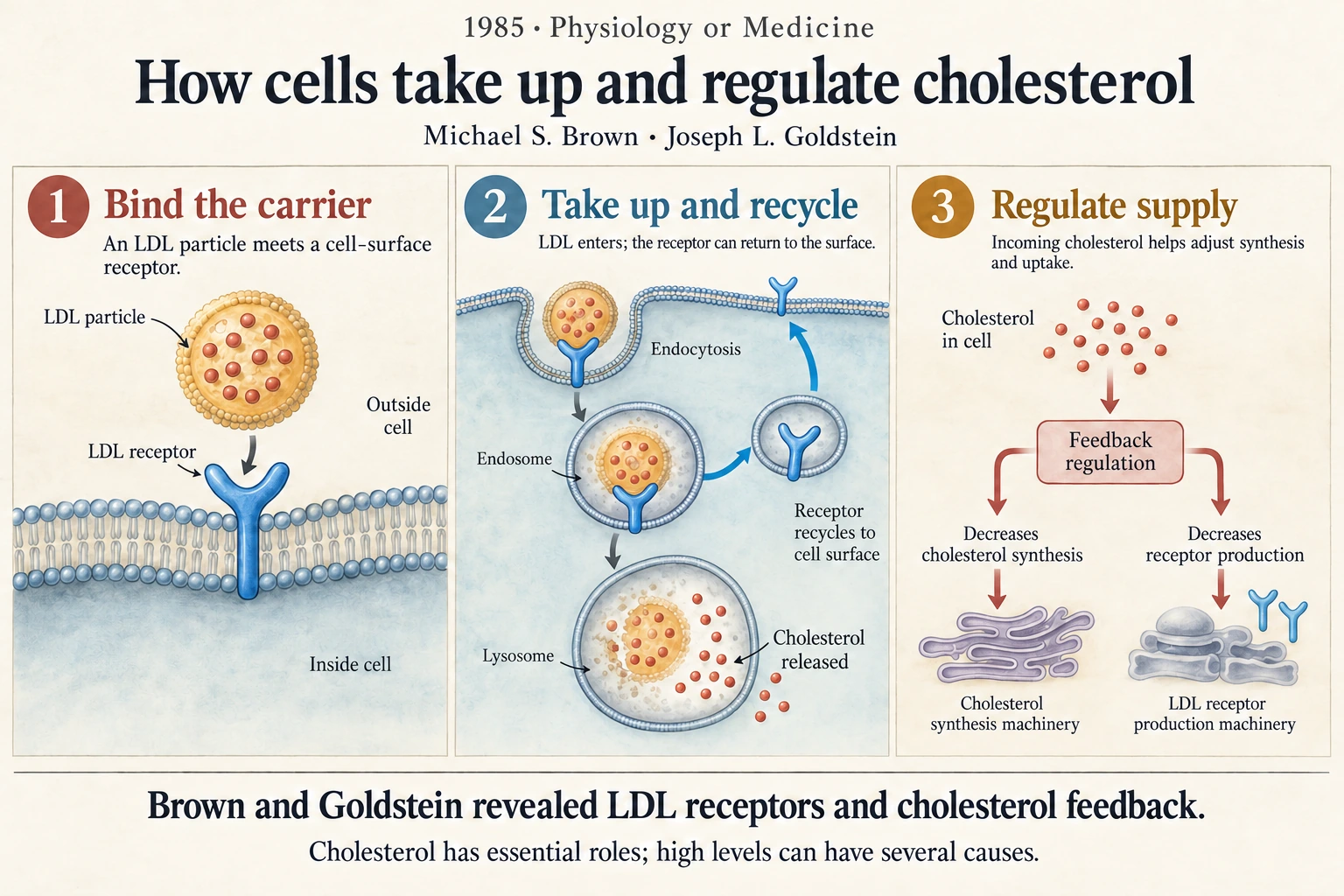
Infographic explaining How cells take up and regulate cholesterol
Original AI-generated infographic. A conceptual overview; the explanations and sources below provide context.
Read the poster text

Brown and Goldstein revealed LDL receptors and cholesterol feedback.

  1. Bind the carrier

    An LDL particle meets a cell-surface receptor.

  2. Take up and recycle

    LDL enters; the receptor can return to the surface.

  3. Regulate supply

    Incoming cholesterol helps adjust synthesis and uptake.

Cholesterol has essential roles; high levels can have several causes.

01 · The discovery

The idea, in everyday language

Cholesterol is essential for cell membranes and other functions, but its handling must be regulated. LDL particles carry cholesterol through the bloodstream. Studying cultured cells from people with familial hypercholesterolaemia, Brown and Goldstein found that certain cells could not take up LDL normally, pointing to a receptor defect rather than their original enzyme-based explanation.

An LDL particle binds a receptor at the cell surface and enters through coated-pit endocytosis. Inside, the particle separates from its receptor; receptors can return to the surface while LDL is delivered to lysosomes and releases cholesterol. The incoming cholesterol helps regulate synthesis and receptor production. The work clarified both a cellular uptake mechanism and feedback in cholesterol metabolism.

Why it matters

The discoveries explained important forms of familial hypercholesterolaemia and helped establish receptor-mediated endocytosis as a major cellular process. They also supplied a foundation for understanding cholesterol-lowering approaches. The story links clinical observation with basic research; it does not prescribe treatment for an individual.
02 · The people

Who brought the idea to life?

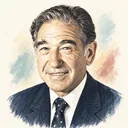
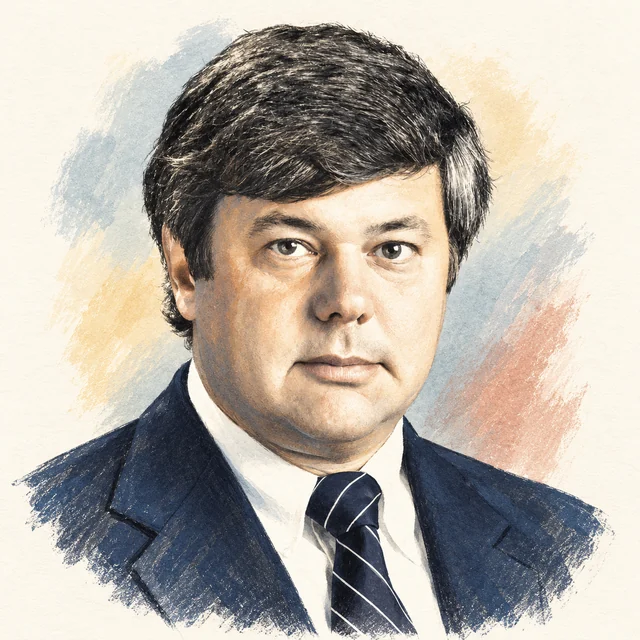
Illustrated portrait of Michael S. Brown

Michael S. Brown

Prize share · 1/2

Brown and Goldstein discovered how cells regulate cholesterol through LDL receptors and feedback. An LDL particle binds a surface receptor, enters through receptor-mediated endocytosis and delivers cholesterol; receptors can recycle to the surface. Studies of inherited disease exposed failures in this system. Brown received one half of the Medicine Prize; LDL is a lipoprotein carrier, rather than a cholesterol molecule itself.

Read the biography ↗
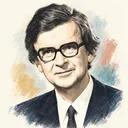
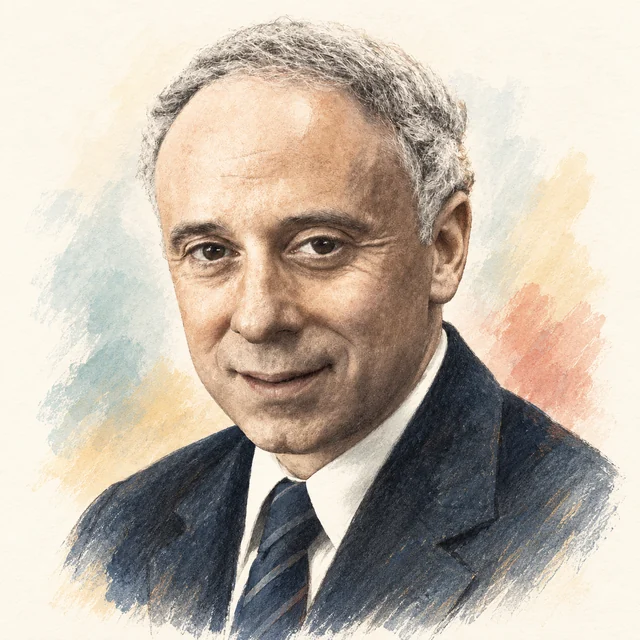
Illustrated portrait of Joseph L. Goldstein

Joseph L. Goldstein

Prize share · 1/2

Goldstein brought clinical and genetic questions to the discovery of LDL receptors and cholesterol feedback with Brown. Cells with certain inherited receptor defects fail to take up LDL normally; studying them clarified receptor-mediated uptake and its regulation. He received one half of the Medicine Prize. Familial hypercholesterolaemia has several possible genetic causes, and elevated cholesterol more broadly has many contributing factors.

Read the biography ↗

03 · Years in the making

The path here

  1. 1972

    Brown and Goldstein establish their formal research partnership in Dallas.

  2. 1974

    Their laboratories merge as studies clarify receptor-mediated LDL uptake.

  3. 1985

    They share the Medicine Prize equally for discoveries in cholesterol regulation.

  4. 1993

    Later SREBP findings extend the account of cholesterol feedback.

04 · Read further

From the original sources

Original explanations by Curionode, based on the official records below. Biographical details and affiliations refer to the award year.

  1. Official announcement nobelprize.org
  2. MedlinePlus Genetics: familial hypercholesterolemia medlineplus.gov

More in Physiology or Medicine

Browse this subject ↗