A life in context
The person behind the prize
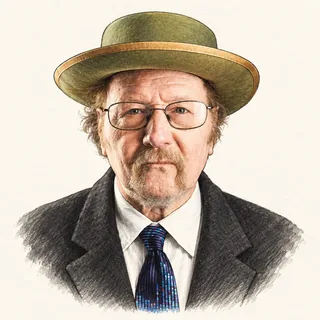
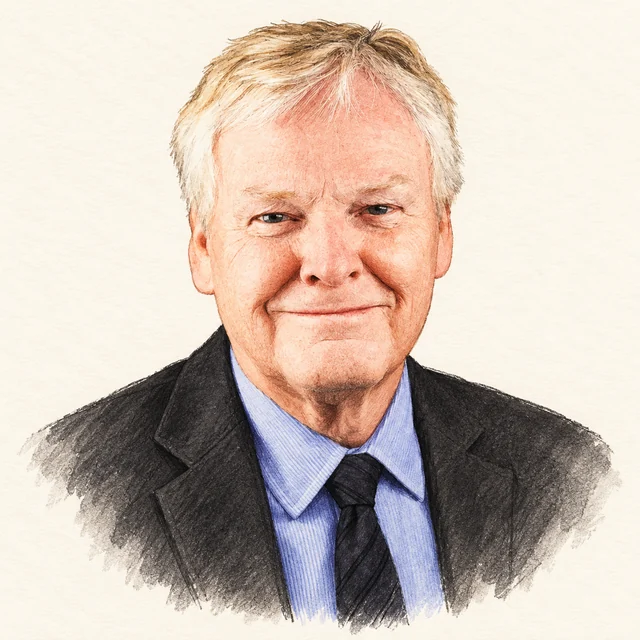
Young grew up in Florida and Texas and earned his doctorate at the University of Texas at Austin in 1975. After postdoctoral research at Stanford, he joined Rockefeller University in 1978. He used fruit flies to investigate the machinery behind daily rhythms. His work identified components that explain both how the clock’s feedback loop closes and why the cycle takes roughly a day.
The contribution
He independently isolated period and later identified timeless and doubletime. TIM helps PER enter the cell nucleus, while DBT affects the timing of PER accumulation. These discoveries added crucial steps and delays to the molecular account of the circadian clock.
The idea in plain language
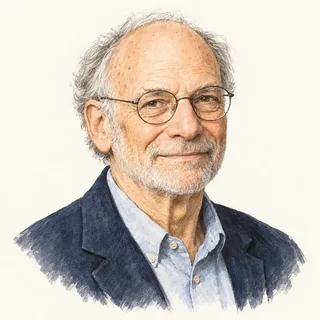
Daily rhythms continue even without a fresh sunrise to trigger every cycle. That observation suggested an internal clock, but did not explain its machinery. In 1984, Jeffrey Hall and Michael Rosbash, and independently Michael Young, isolated the fruit-fly period gene. Hall and Rosbash showed that its protein product, PER, changes in abundance over the daily cycle. A key idea followed: the protein could eventually inhibit the activity that produces more of itself.
Read the full award story ↗