A life in context
The person behind the prize
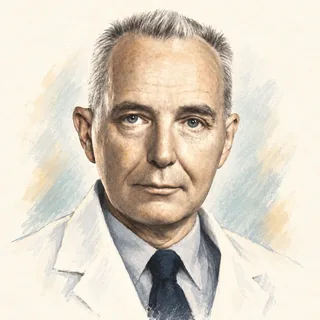
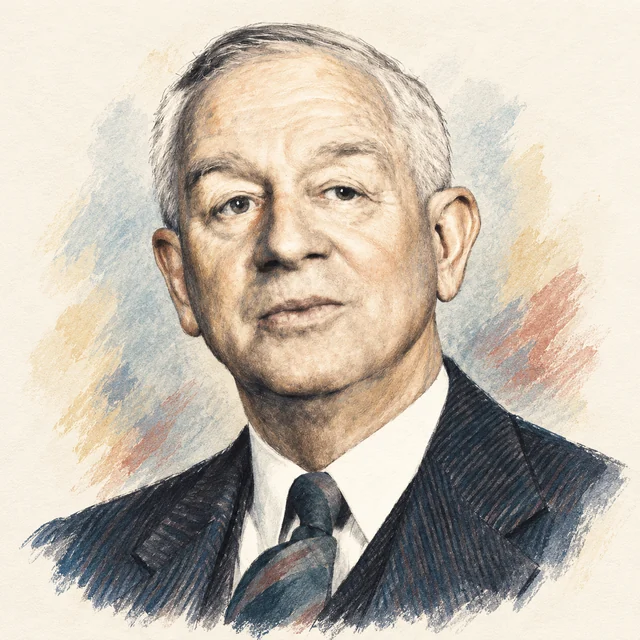
Rous received his Johns Hopkins bachelor’s degree in 1900 and medical degree in 1905. Turning toward research, he worked in pathology at Michigan and studied in Dresden in 1907. Rockefeller support brought him into experimental research, and in 1909 he took responsibility for its cancer laboratory. His 1910 report described transplanting a chicken sarcoma; the 1911 paper showed that an agent separable from the tumour cells could transmit the growth to susceptible chickens. These were distinct experimental stages. He paused tumour research in 1915 and returned in 1934 to investigate Shope’s rabbit papilloma virus and tumour progression. He became a Rockefeller member in 1920 and emeritus in 1945, continuing laboratory work. Rockefeller University was his 1966 affiliation. The award recognised tumour-inducing viruses, without implying that every cancer is infectious.
The contribution
Rous discovered that viruses can induce certain tumours. He received one half of the Medicine Prize.
The idea in plain language
Rous’s chicken studies distinguished transplantable tumour cells from an agent separable from them. His 1911 report showed transmission to susceptible chickens using cell-free material, evidence that a small infectious agent could induce this tumour. It opened a field connecting viruses with cancer.
Read the full award story ↗