A life in context
The person behind the prize
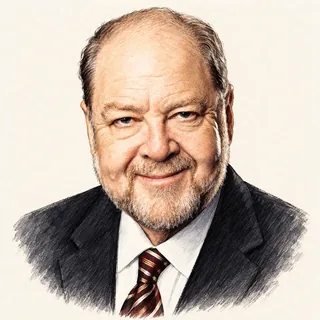
Schekman studied at UCLA and trained in DNA-replication research with Arthur Kornberg at Stanford, receiving his doctorate in 1975. After postdoctoral research at the University of California, San Diego, he joined Berkeley in 1976. He chose yeast as a tractable organism for investigating secretion. A cell with an obvious transport defect could reveal a hidden part of the machinery, turning a failure into an experimental clue.
The contribution
Schekman and collaborators isolated yeast mutants in which secretory transport stalled. Different defects caused cargo or vesicles to accumulate at different steps, allowing genes to be assigned to parts of the transport pathway. The discovery showed that a coordinated genetic programme controls vesicle traffic and helped connect yeast studies with transport mechanisms in other cells.
The idea in plain language
A cell makes molecules in one location and often needs them somewhere else. Some travel in vesicles: tiny compartments surrounded by a membrane. A vesicle can carry cargo between internal compartments or release material outside the cell by fusing with its surface membrane. Without control over destination and timing, making the right molecule is not enough. The laureates uncovered complementary parts of the system that manages these deliveries.
Read the full award story ↗