01 · The discovery
The idea, in everyday language
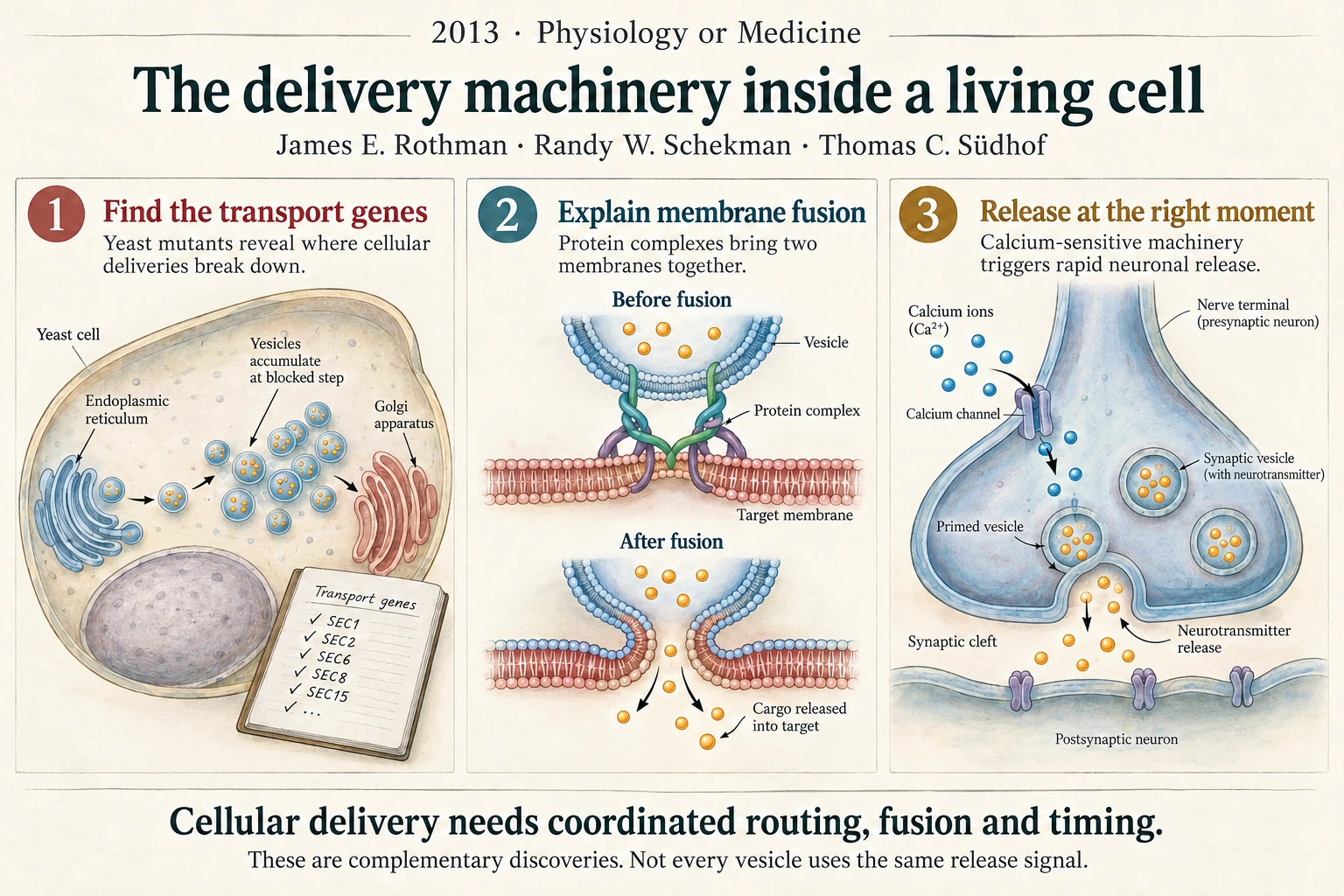
A cell makes molecules in one location and often needs them somewhere else. Some travel in vesicles: tiny compartments surrounded by a membrane. A vesicle can carry cargo between internal compartments or release material outside the cell by fusing with its surface membrane. Without control over destination and timing, making the right molecule is not enough. The laureates uncovered complementary parts of the system that manages these deliveries.
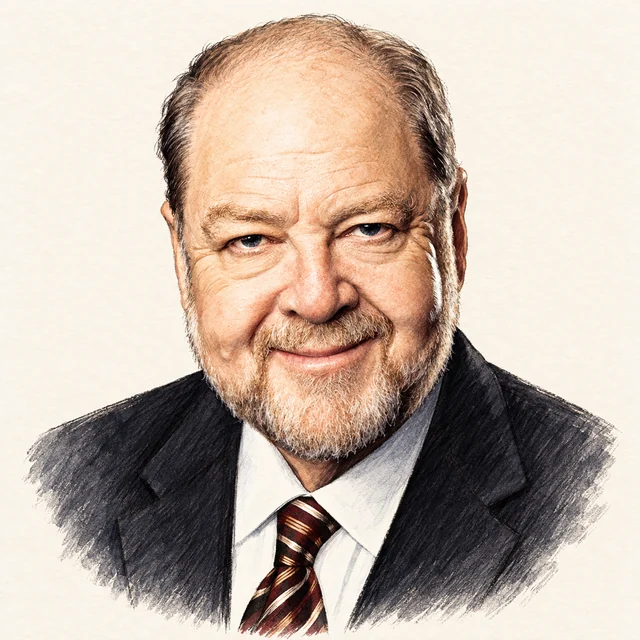
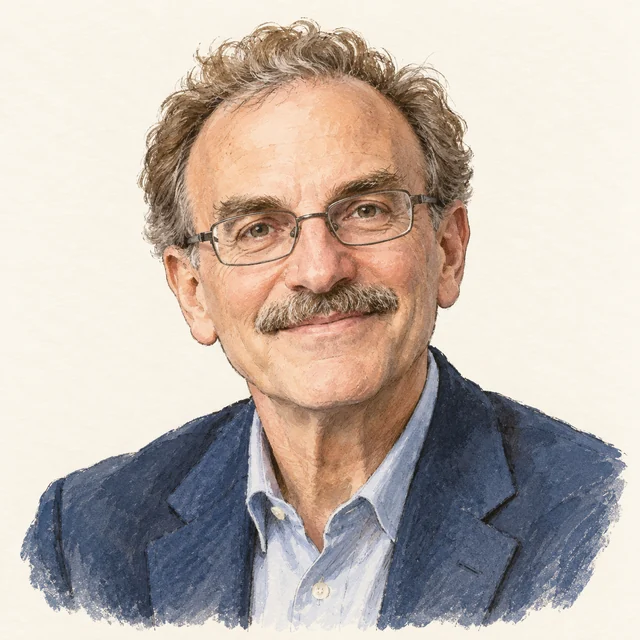
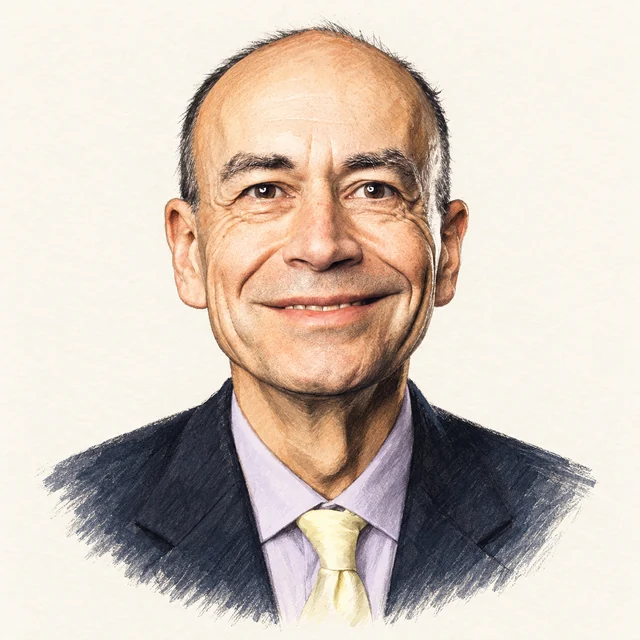
Schekman used yeast mutants whose transport had broken down. Where cargo accumulated helped reveal which genes controlled different steps. Rothman used biochemical experiments to identify proteins that mediate membrane fusion. Matching proteins on two membranes assemble into a complex that draws the membranes close enough to fuse. Südhof investigated nerve cells, where release must occur extremely quickly. He connected calcium-sensitive proteins with the machinery that lets prepared vesicles discharge neurotransmitters when a signal arrives. Genetics, biochemistry and physiology converged on a shared molecular explanation.
Why it matters
The discoveries explained a basic process used in hormone release, communication between neurons and the delivery of components within cells. They also supplied ways to investigate what goes wrong when transport machinery is altered. Work in a simple yeast cell could illuminate mechanisms in human biology because important parts of this machinery are evolutionarily conserved.