A life in context
The person behind the prize
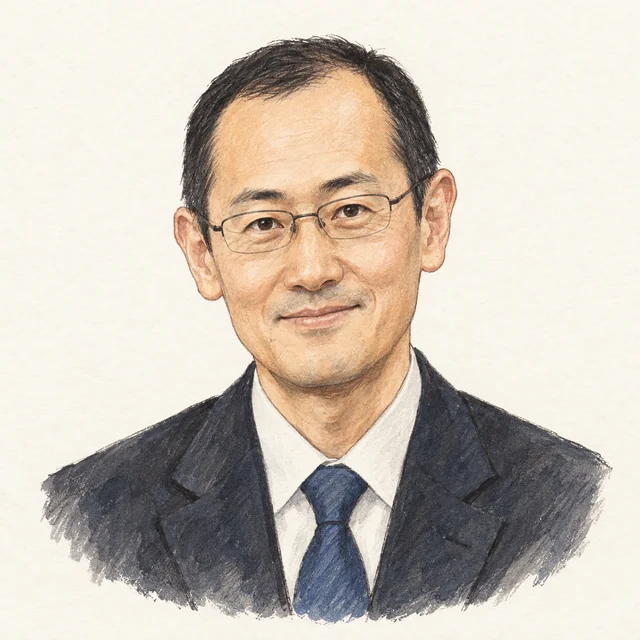
Yamanaka earned his medical degree at Kobe University in 1987 and began training as an orthopaedic surgeon before moving into basic research. He completed his doctorate at Osaka City University in 1993, worked at the Gladstone Institutes in San Francisco and later researched at Nara and Kyoto. His investigations asked whether the state of an intact specialised cell could be changed without transferring its nucleus into an egg.
The contribution
In 2006 Yamanaka and Kazutoshi Takahashi showed that a combination of four factors could reprogram mouse fibroblasts into induced pluripotent stem cells. These cells could give rise to different cell types of the body. The discovery established a new route to studying cell identity and disease in culture, while leaving substantial questions about safety, reliability and medical application.
The idea in plain language
A developing body produces many kinds of cells from the same starting material. For a long time, it was unclear whether specialisation permanently removed genetic possibilities. Gurdon transferred nuclei from differentiated tadpole intestinal cells into frog eggs whose own nuclear contribution had been inactivated. Some developed into normal tadpoles. The specialised nucleus had retained information needed for other cell types; the egg’s environment could change how that information was used.
Read the full award story ↗