A life in context
The person behind the prize
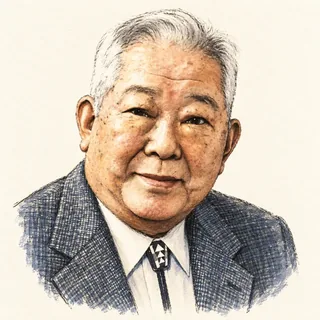
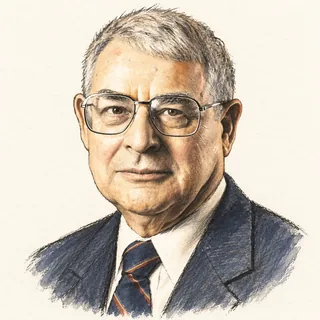
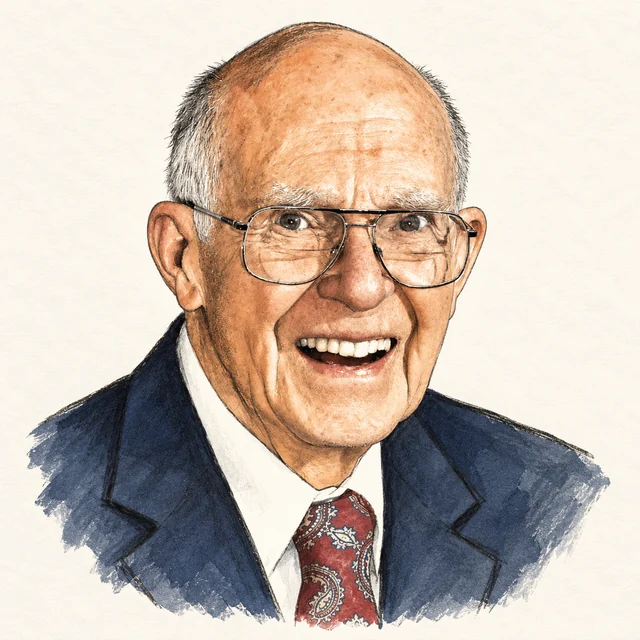
Davis trained as a chemist, completing his doctorate at Yale in 1942. His approach to astronomy grew from an unusual combination of chemistry, patient experimental work and an exceptionally difficult counting problem. In a South Dakota mine, his team operated a huge tank of chlorine-containing liquid. The challenge was to extract and identify a handful of radioactive argon atoms from an enormous number of other atoms.
The contribution
A solar electron neutrino can occasionally convert a chlorine nucleus into an argon nucleus. Davis developed the radiochemical methods needed to recover and count the resulting argon. Measurements beginning in the 1960s established the detection of solar neutrinos but found fewer than solar models predicted. The persistent discrepancy became the solar-neutrino problem, helping motivate later research on how neutrinos change type during their journey.
The idea in plain language
Visible light tells only part of the story of the sky. Neutrinos interact so weakly with matter that they can escape from places, such as the Sun’s interior, that light does not reveal directly. That same property makes them difficult to catch. Davis used a chemical transformation in a huge underground tank to count solar neutrinos. Koshiba used a water detector whose light sensors could register the timing and direction of individual interactions.
Read the full award story ↗